
Key Takeaways
- Leveraging The ‘Freemium Model’: The concept of ‘freemium’ allows a vast user base to access the core product for free, leveraging user engagement to drive monetization from those deriving the most value
- The value of iterative product development: For successful user engagement and retention during an app launch, founders should always rely on methodical, data-driven iterations rather than viral bursts
- Leveraging analytics in product growth: Analyzing cohort data and user behavior is important to fine-tuning both product features and marketing strategies to maximize retention and monetization
- Future mobile tech trends: Looking ahead to the future of mobile tech and what’s on the horizon for mobile tech marketing
Understanding the ‘Freemium Model’
In the mobile tech industry, the freemium model is one of the dominant strategies for user acquisition and engagement. For a freemium model to be successful, your product must have a broad and diverse catalog of purchasable items or upgrades. Maintaining a large addressable market is also important to sustain the freemium approach and ensure that monetization potential aligns with user engagement and drive sustained growth.
Iterative, Data-Driven Product Launches
Despite the appeal of a viral app launch, it is important to maintain a methodical, data-driven approach to app launches, so that your product can be incrementally improved upon based on user feedback. Launch your product to a controlled audience, then analyze their interactions, and iterate based on data to ensure that your product maximizes user retention.
Leveraging Analytics for Maximum Impact
Segmenting users based on engagement age allows you to tailor your product experience to meet the unique needs of both new and returning users. This segmentation ensures that onboarding processes are continually optimized for new users while enhancing the core user experience for long-term users.
Future Trends and Innovations in Mobile Tech
Looking ahead, there are significant shifts and trends coming in the mobile tech ecosystem. One notable trend is the movement towards monetization on the web, which bypasses app store commissions and leverages the web’s capabilities for experimentation and customization, allowing for more dynamic pricing, bundling, and personalization. Companies that build products with privacy-first principles and leverage robust, privacy-compliant data for personalization and optimization are likely to thrive in this new environment.
Book a complimentary consultation with one of our experts
to learn how MAVAN can help your business grow.
Want more growth insights?
Thank you! form is submitted
[hubspot type=”form” portal=”20951211″ id=”9c538ed2-fb12-45f1-a573-ad7953c058cc”]
Related Content
-
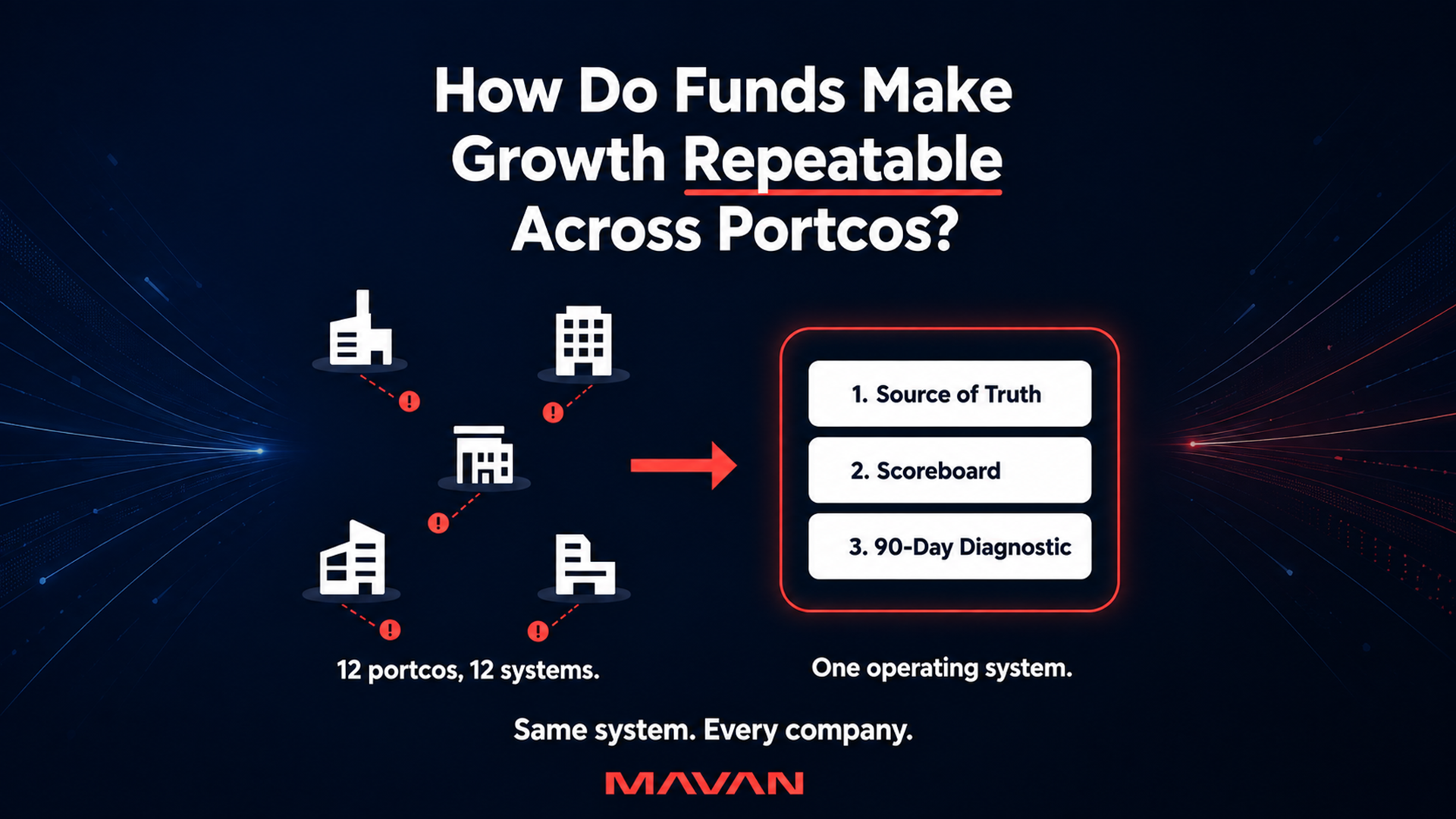
How Can VC And PE Funds Repeat Growth Across Portfolio Companies?
Growth becomes repeatable across a VC or PE portfolio when the fund installs one operating system instead of referring each company to a different specialist. The system has three parts: a single source of truth every team trusts, a board-ready scoreboard of ten to twelve metrics, and an embedded pod that diagnoses the real constraint in ninety days before anyone spends more.
-
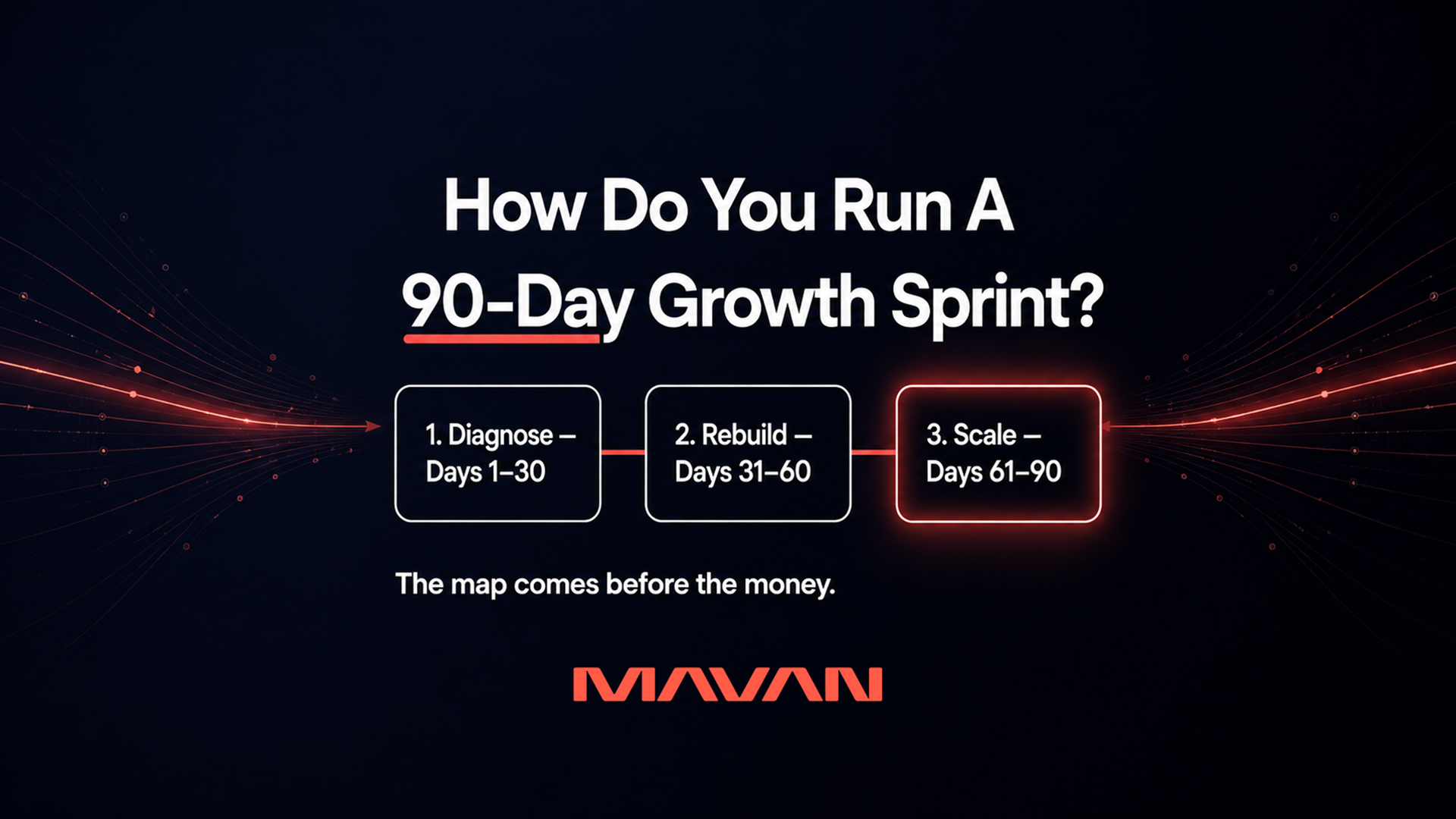
How Do You Run A 90-Day Growth Sprint That Compounds?
A 90-day growth sprint is a focused quarter run in three phases. The first month diagnoses your growth system, the second rebuilds your measurement into one trusted source of truth, and the third scales only the channels the data has proven. One embedded pod can run it, too, tracked against a single scoreboard.
-
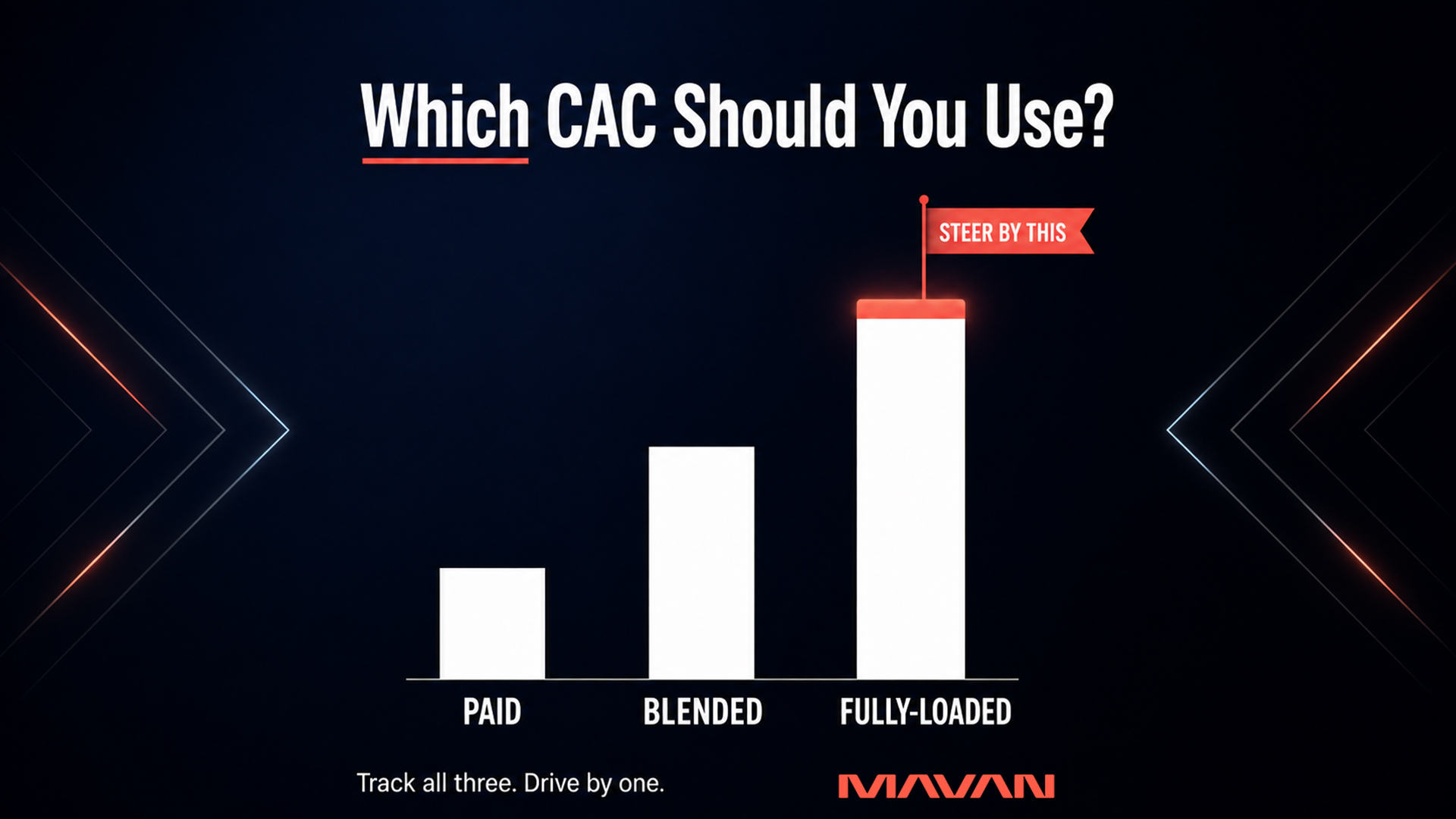
Which CAC Should You Use — Fully-Loaded, Blended, or Paid?
There are three ways to measure customer acquisition cost — paid, blended, and fully-loaded. Most teams pick one per decision. MAVAN’s operators steer by fully-loaded CAC, paired with gross-margin lifetime value, because it counts every cost. Paid and blended stay useful for channel calls and external reporting, but never as the number that drives the business.