
Key Takeaways:
- Achieve’s Unique Journey: How to navigate the complexities of fintech without external funding
- Consumer-Centric Financial Solutions: How Achieve personalizes its offerings to combat inefficiencies in consumer finance
- Harnessing AI and Data for Better Financial Health: How emerging technologies are reshaping fintech and consumer experiences
Achieve’s Bootstrap Journey: Navigating Financial Scalability
Many fintech startups rely heavily on venture capital to drive their early phases and expansion. Achieve is a testament to what can be accomplished through disciplined market exploration and a commitment to organic growth. With proper due diligence, you can actually carve out a significant portion of the market without external funding.
Thorough market analysis and understanding inefficiencies within the value chain will ensure you have the right product fit before scaling.Taking a methodical approach lays the groundwork for success – because the greatest opportunities often come from meticulously validated ideas rather than quick-win strategies.
Battling Inefficiencies to Find Consumer-Centric Financial Solutions
A successful business model centers around addressing inefficiencies in consumer finance. Realizing that many consumers are underserved by traditional banks, fintech companies like Achieve leverage personalized and multi-faceted financial solutions for consumers and consumer debt.
Achieve’s product suite ranges from debt resolution to personal loans, each tailored to fit individual needs. By doing so, Achieve differentiates itself in a crowded space where other more prominent financial institutions often fail to offer personalized support.
Harnessing AI and Data for Better Financial Health
Achieve’s also leverages innovative AI and machine learning to provide highly personalized financial advice. The integration of such technologies allows them to turn vast amounts of analytics into actionable insights for consumers, helping customers achieve better financial outcomes.
Book a complimentary consultation with one of our experts
to learn how MAVAN can help your business grow.
Want more growth insights?
Thank you! form is submitted
[hubspot type=”form” portal=”20951211″ id=”9c538ed2-fb12-45f1-a573-ad7953c058cc”]
Related Content
-
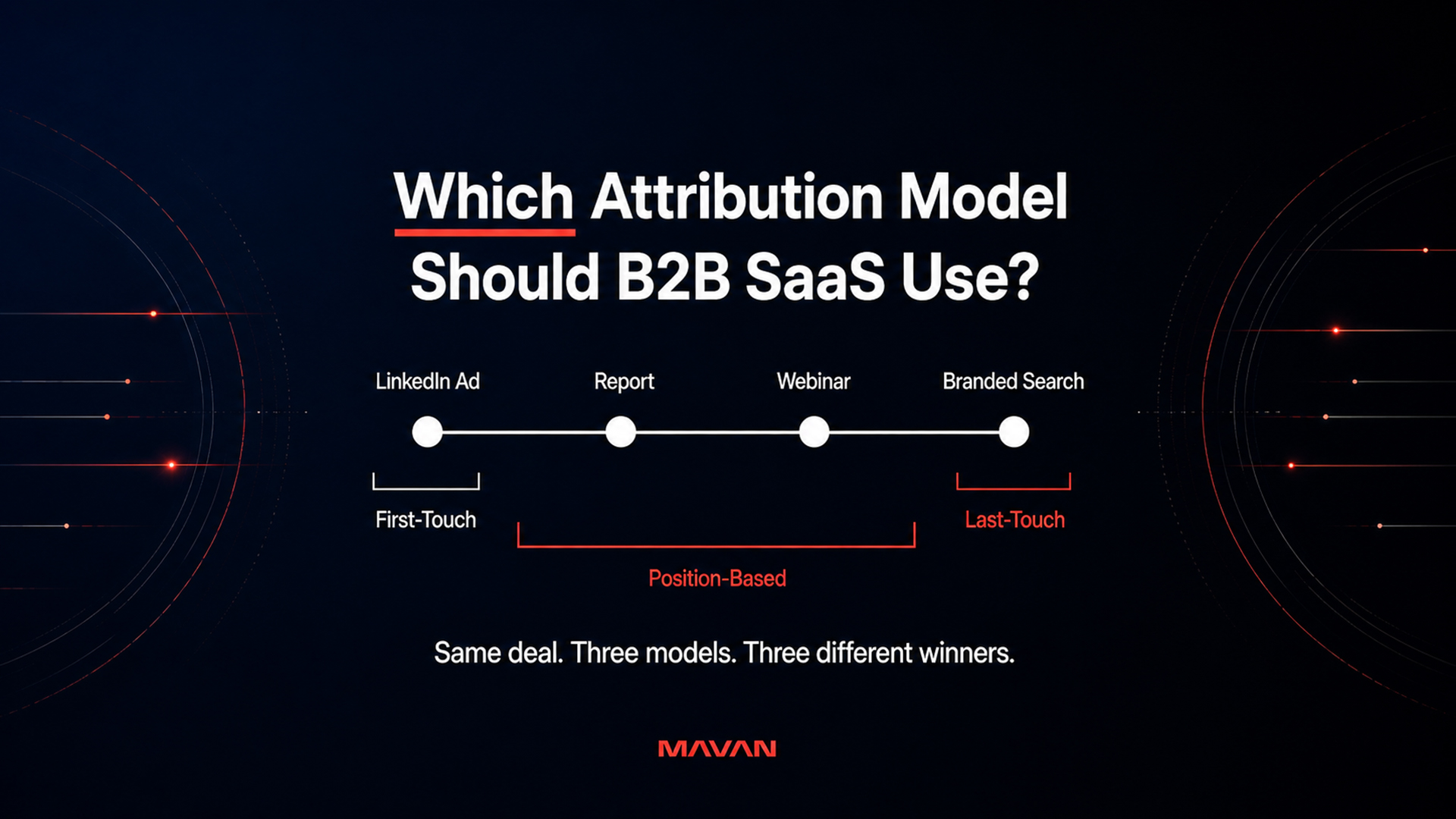
Which Attribution Model Should B2B SaaS Use?
There is no single best attribution model for B2B SaaS. The right one is the simplest model that can still answer the budget decision you face. For most teams past a few channels and a multi-month sales cycle, that means a position-based multi-touch model tracked at the account level.
-

How Do You Solve SKAN Attribution For Multi-Channel Apps?
To solve SKAN attribution for multi-channel apps, fix your conversion-value and revenue configuration first, then triangulate SKAN with incrementality testing and one internal source of truth — so every channel gets measured against the same number.
-
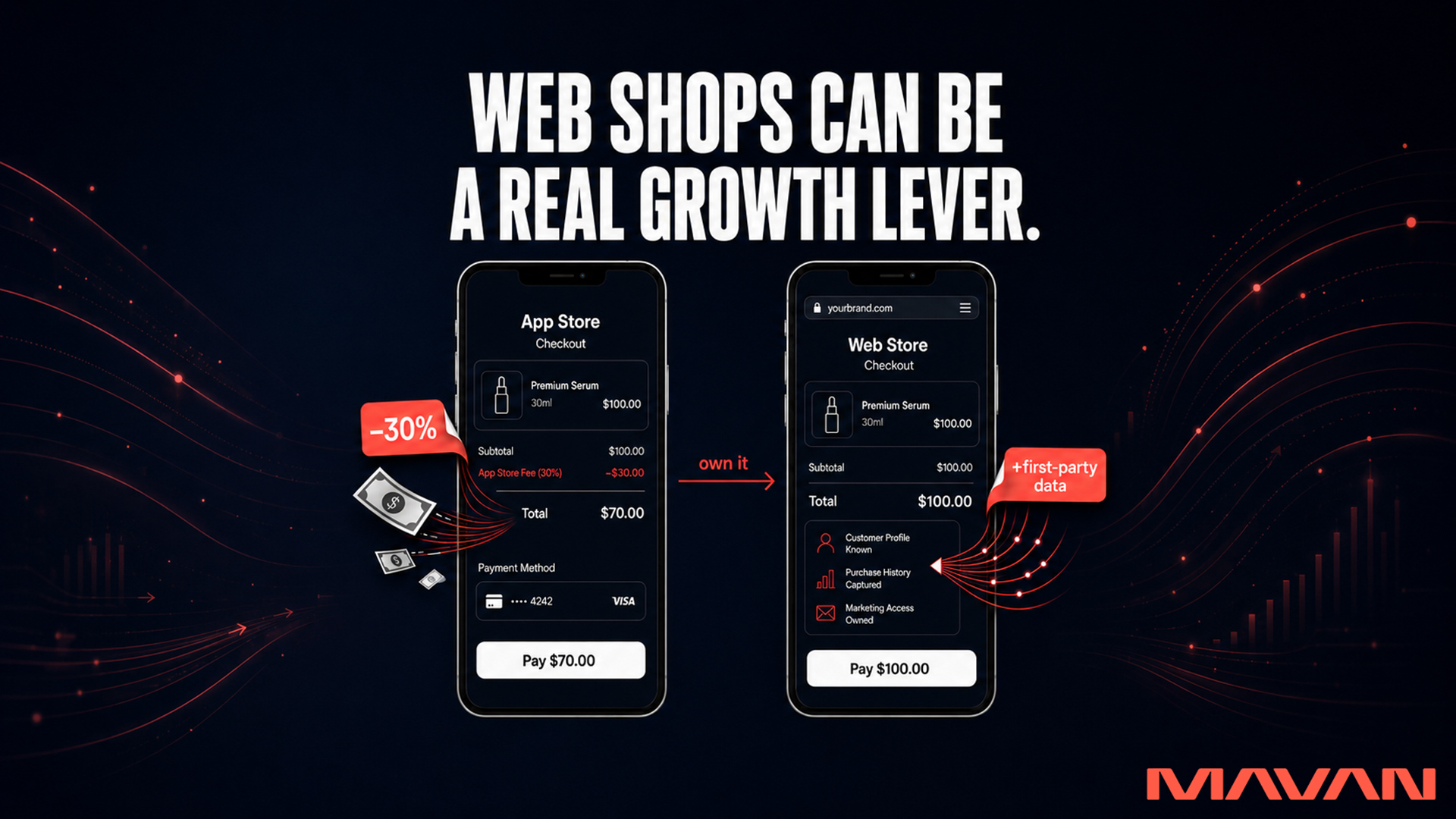
Are Mobile Game Web Shops A Growth Lever In 2026?
After Apple’s IDFA changes, mobile game studios grow by launching a web shop — a game-branded web store they own. It reclaims the 15 to 30 percent that app stores take on every purchase and rebuilds the first-party player data that makes user acquisition work again.