
Key Takeaways
- Brand Authenticity and Consistency: Staying true to a brand’s core identity is crucial for sustained success.
- Strategic Timing for Brand Investment: Knowing when to invest in brand development can be pivotal in a company’s growth trajectory.
- Avoiding Distractions from Competition: Focusing on a brand’s unique strengths rather than merely mimicking competitors can lead to greater success.
Brand strategy is more than just a snazzy logo or a catchy tagline. It is how you connect with your audience. Ask yourself… What makes your brand authentic? Maintaining a strategic approach to major brand investment decisions and staying focused amid competitive distractions are two ways to ensure brand success.
Authenticity & Consistency
The most successful brands remain true to themselves. Authenticity can serve as a guiding principle that allows your brand to maintain a consistent message and identity across various touchpoints. This authenticity also helps in achieving consistency. Cohesion between narrative and identity also makes a difference. Successful brands like Nike and Apple have maintained influence by sticking to their core identities over many decades.
When to Spend on Branding
Determining the right moment to invest in your branding also matters. While robust branding can help, knowing when to pump the brakes and make a legitimate investment in branding is crucial. As you grow and evolve, it’s easy to become disorganized in this way. Branding is a foundational element that can guide your trajectory. Successfully integrating brand strategy also means making sure everyone in the organization understands and embodies the brand.
Focus on Your Brand, Not the Competition
Not chasing after competitors and instead focusing on a brand’s unique identity and strengths can allow your own brand’s ability to succeed. Investing in the right mediums and platforms aligned with a brand’s identity can also affect a brand’s standing. A well-thought-out brand strategy will guide companies in making informed decisions about where to focus their marketing efforts. While investing in different channels might yield certain immediate benefits, you must ensure that these channels align with your brand’s core identity.
Book a complimentary consultation with one of our experts
to learn how MAVAN can help your business grow.
Want more growth insights?
Thank you! form is submitted
[hubspot type=”form” portal=”20951211″ id=”9c538ed2-fb12-45f1-a573-ad7953c058cc”]
Related Content
-
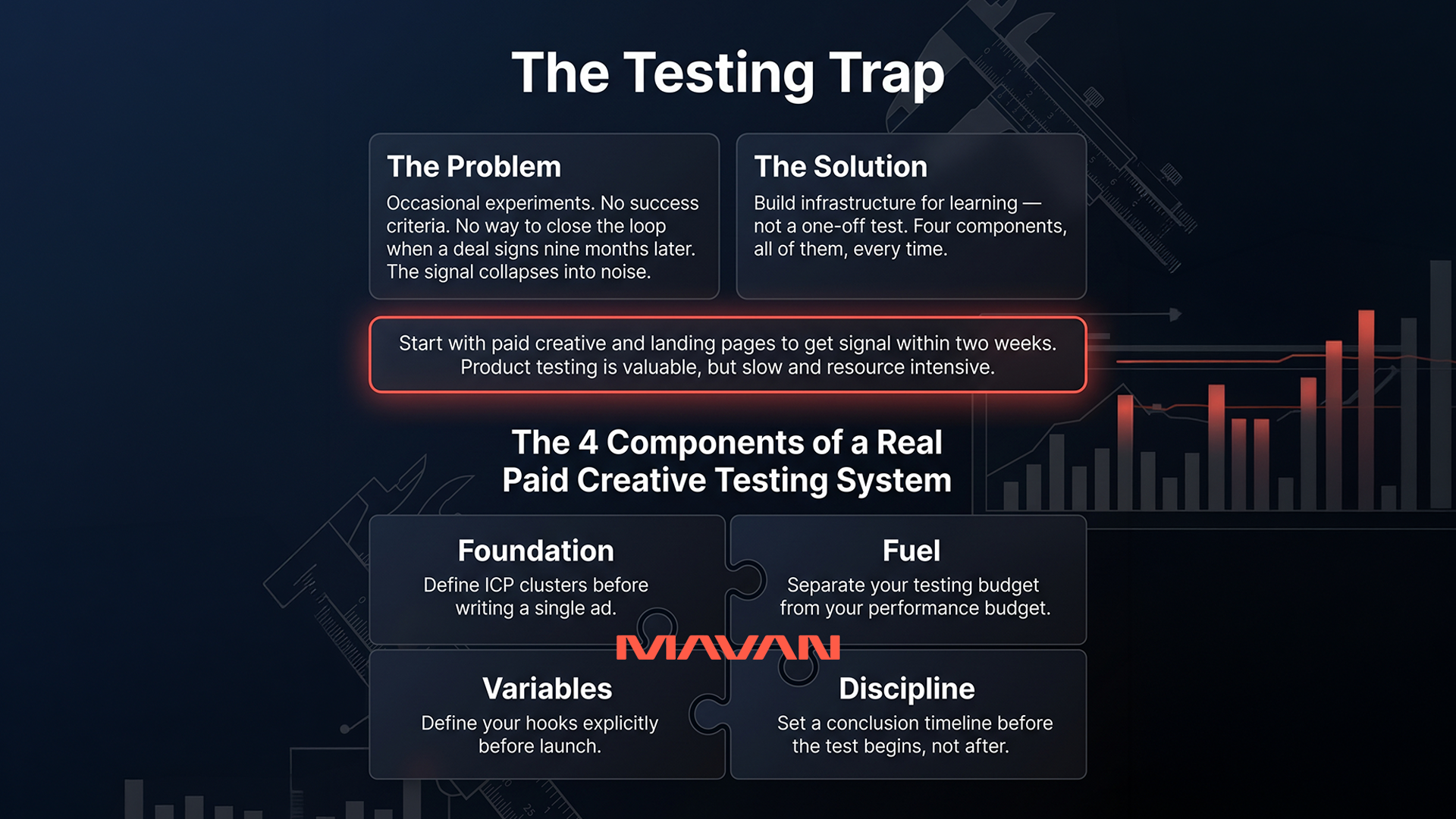
How Do You Build a Real A/B Testing Framework for B2B SaaS?
A functioning B2B SaaS experimentation program is built around paid creative testing and landing page optimization. Even with long sales cycles, you can know if an experiment is heading in the right direction within two weeks — as long as you track from first touch all the way through to closed contract.
-
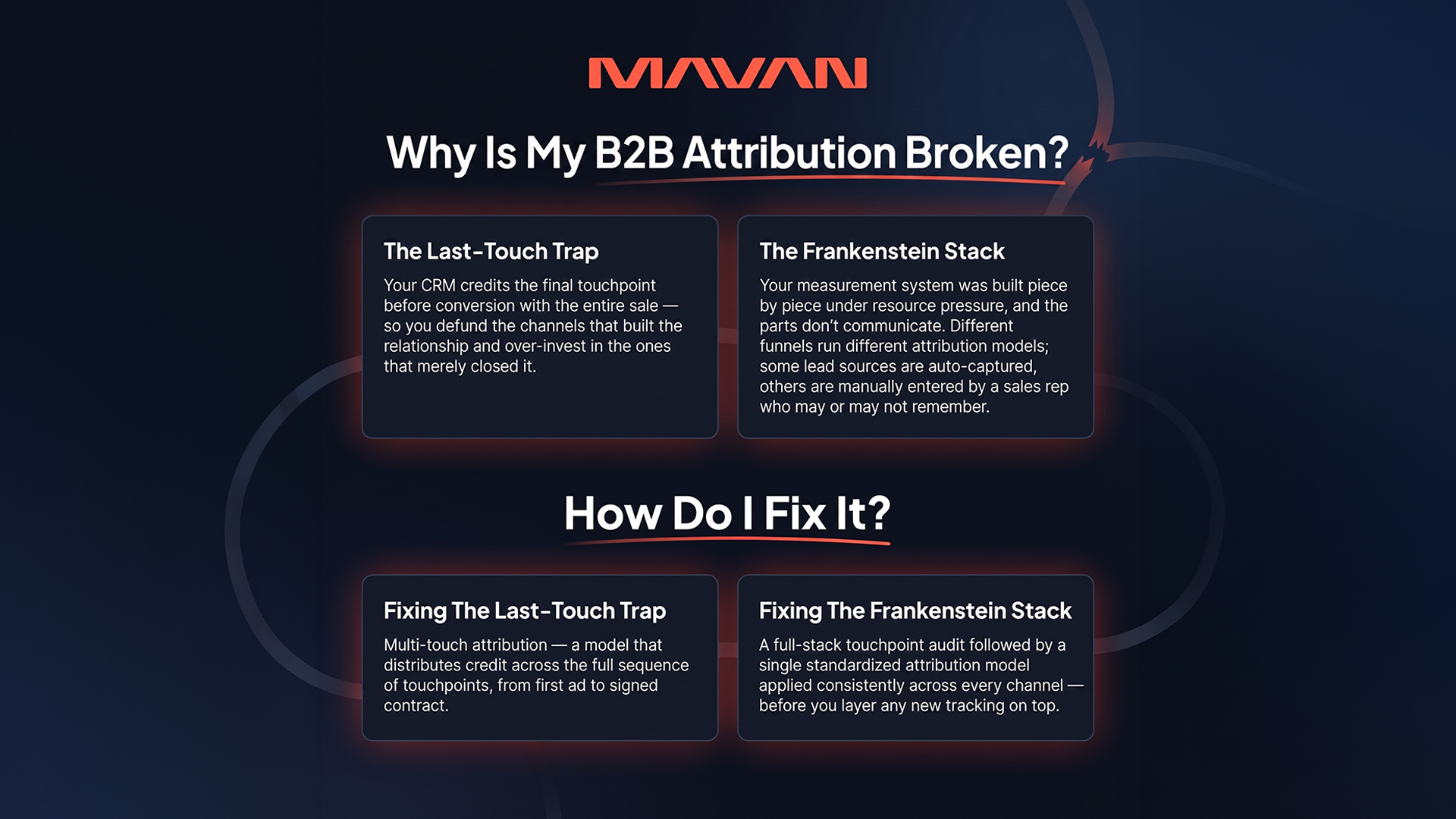
Why Is Your B2B SaaS Attribution Broken — and How Do You Fix It?
Most B2B SaaS attribution stacks fail in one of two predictable patterns: relying solely on last-touch data, or being bolted together piece by piece until the parts no longer communicate. The fix starts with mapping every top- to mid-funnel touchpoint in sequence and tying that complete journey back to the moment a contract closes. TLDR…
-
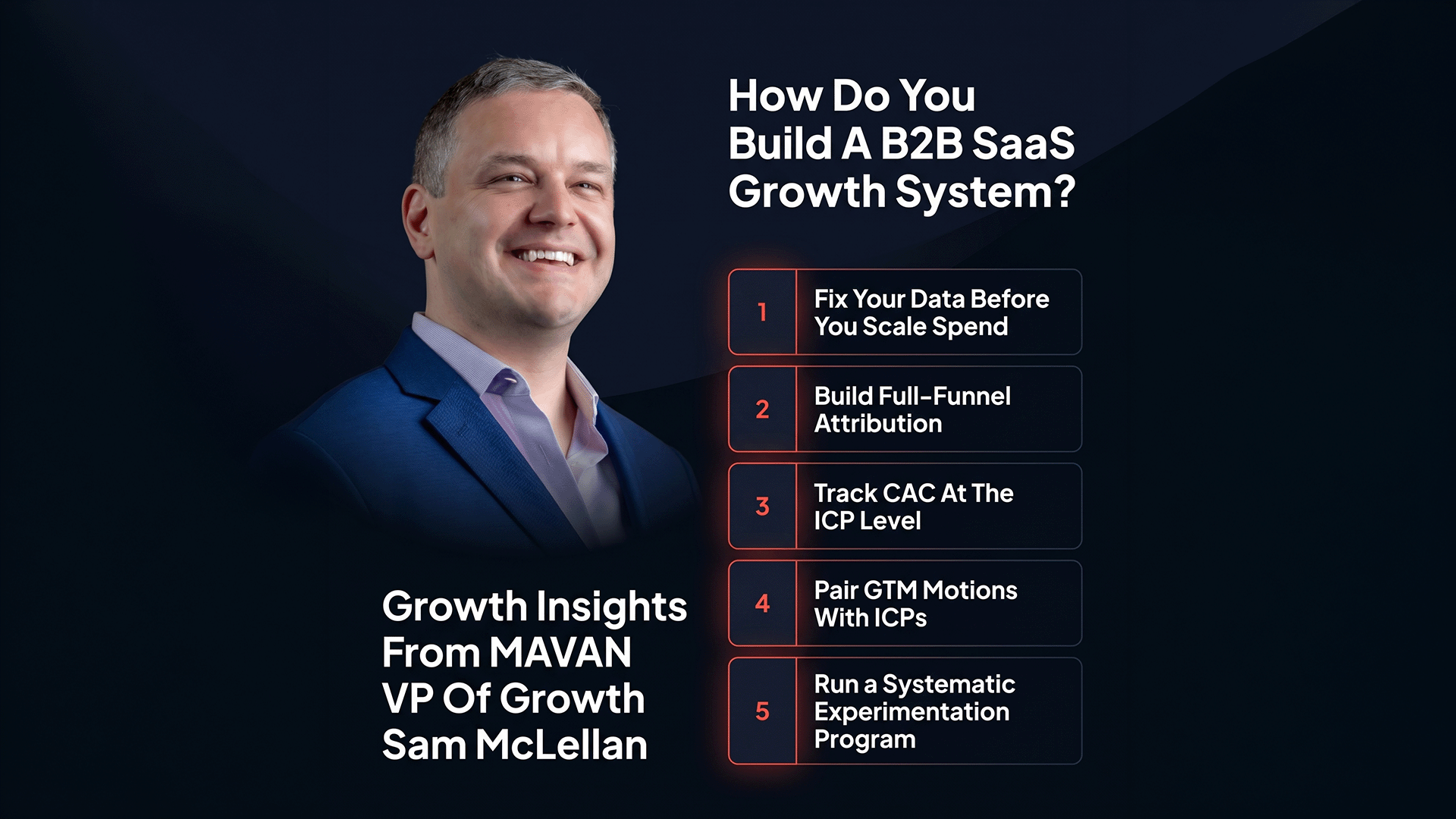
How Do You Build a B2B SaaS Growth System That Scales Beyond Founder-Led?
The fastest-scaling B2B SaaS companies are adopting measurement and experimentation disciplines from mobile gaming — including granular multi-touch attribution, ICP-segmented CAC tracking, and systematic creative testing. Companies that close that gap now are building compounding advantages that won’t be easy to replicate later. TLDR — The 10 Most Important B2B SaaS Growth Lessons Your board…