
Eric Seufert is an analyst and expert in mobile development, tech marketing, and data analysis. Eric is General Partner at Heracles Capital, a pre-seed stage venture capital fund investing in the future of mobile tech. Eric has also worked at notable consumer mobile tech companies including Skype, Wooga, and Rovio Entertainment, where he was the VP of User Acquisition for the developer behind the popular Angry Birds mobile gaming franchise.
In this episode, Matt and Eric get into the details on startup topics including the dynamics and benefits of a ‘freemium’ model, strategies for launching mobile apps successfully, and where the future of mobile tech investments is headed next.
Key Takeaways:
- Why Freemium Models Work: The freemium model offers users a complete core product experience at no cost, creating a vast user base. To ensure success, founders need to provide a broad range of engaging items that drive effective monetization.
- The Data-Driven Product Launch: User acquisition extends beyond growth; it’s a critical tool for product testing. By leveraging real user data, startups can iterate and improve their offerings efficiently.
- The Future of Mobile Tech: Looking ahead to the future of mobile tech and what’s on the horizon for mobile tech marketing
- Building a Successful Team: A founding team with a proven track record in the mobile space and expertise in monetization and user experience is crucial. Such a team can navigate the complexities of the mobile tech industry effectively.
- Leveraging Iterative Product Development: For successful user engagement and retention during an app launch, founders should rely on methodical, data-driven iterations rather than viral bursts
Book a complimentary consultation with one of our experts
to learn how MAVAN can help your business grow.
Want more growth insights?
Thank you! form is submitted
[hubspot type=”form” portal=”20951211″ id=”9c538ed2-fb12-45f1-a573-ad7953c058cc”]
Related Content
-
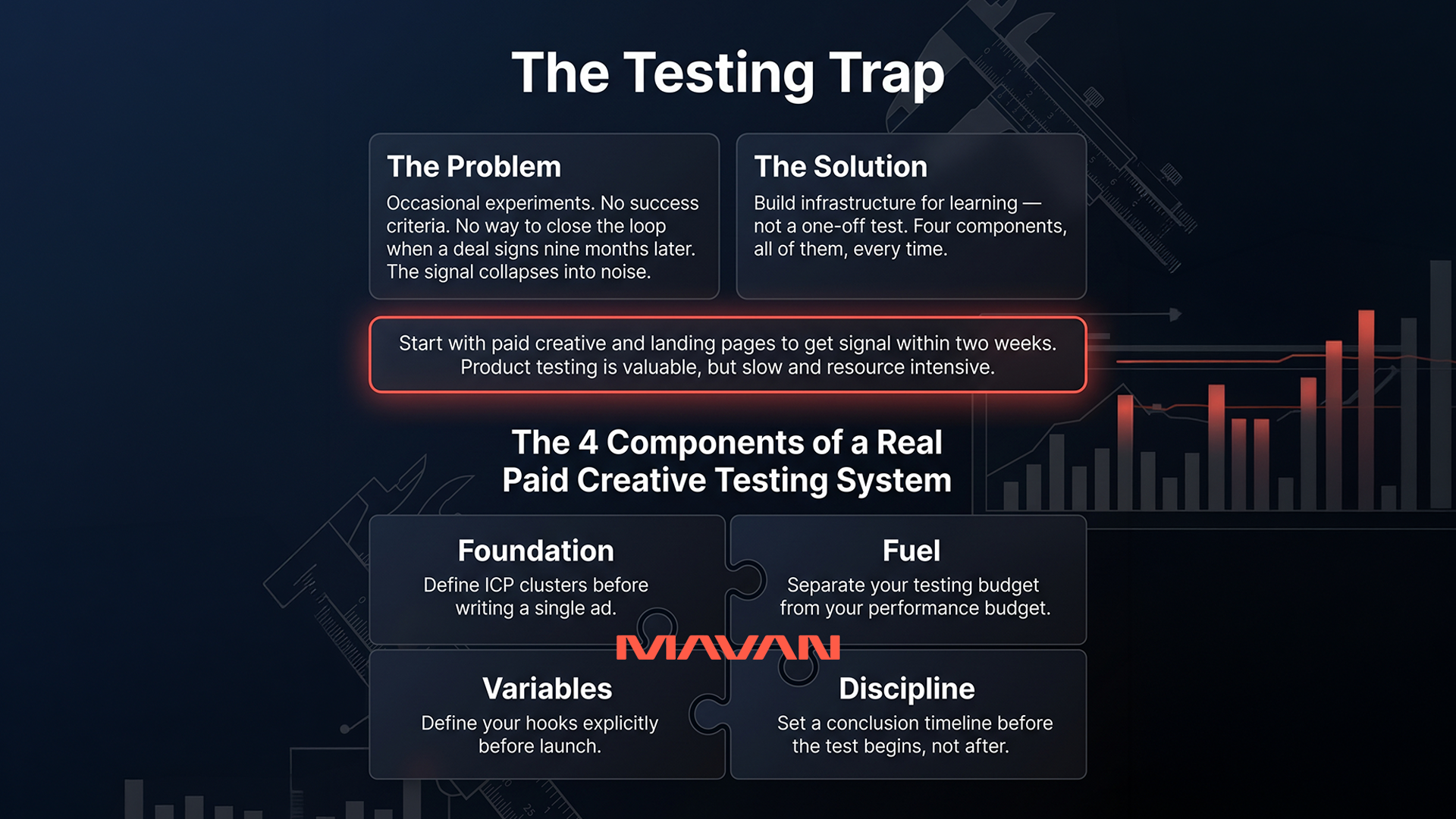
How Do You Build a Real A/B Testing Framework for B2B SaaS?
A functioning B2B SaaS experimentation program is built around paid creative testing and landing page optimization. Even with long sales cycles, you can know if an experiment is heading in the right direction within two weeks — as long as you track from first touch all the way through to closed contract.
-
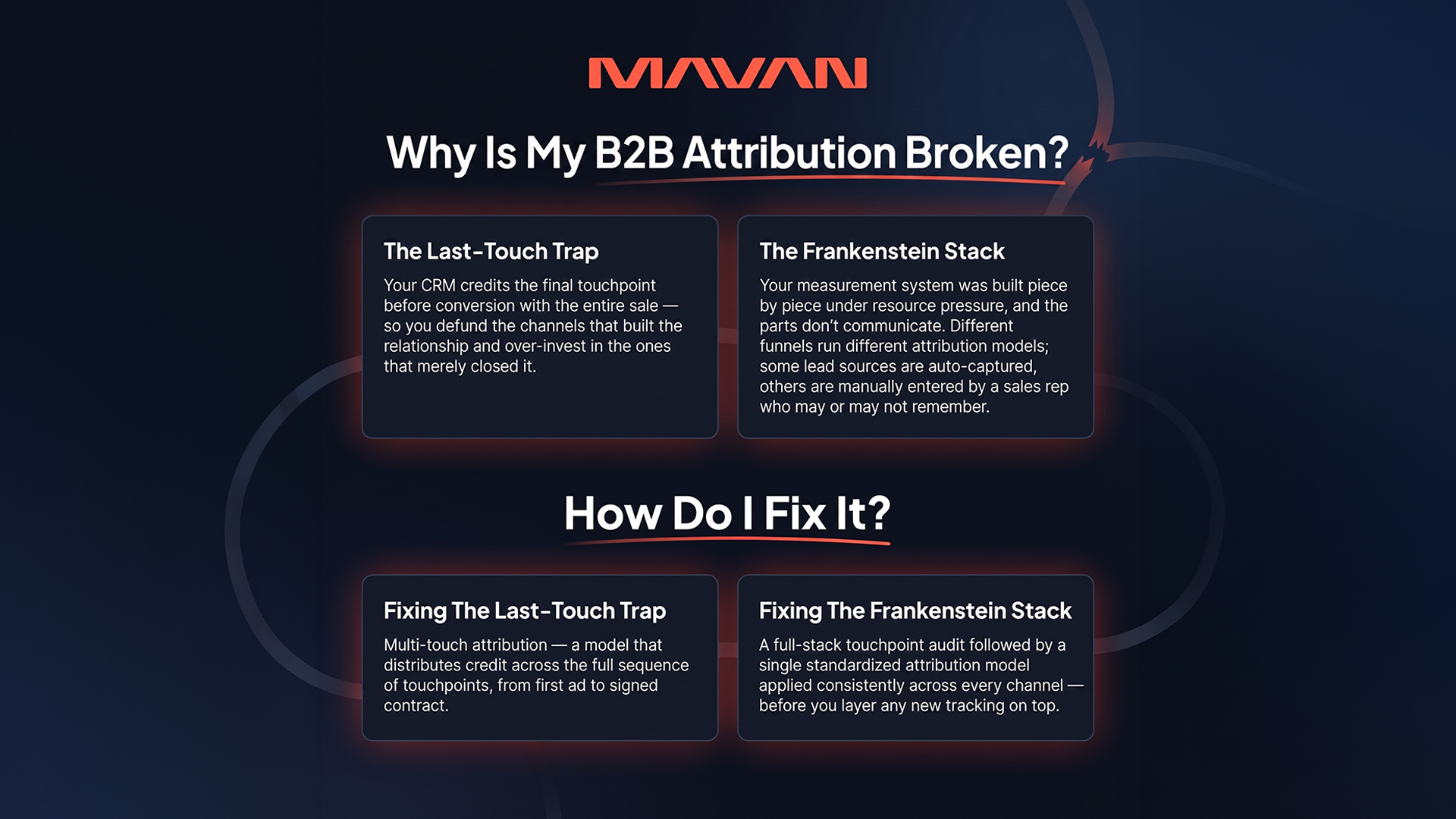
Why Is Your B2B SaaS Attribution Broken — and How Do You Fix It?
Most B2B SaaS attribution stacks fail in one of two predictable patterns: relying solely on last-touch data, or being bolted together piece by piece until the parts no longer communicate. The fix starts with mapping every top- to mid-funnel touchpoint in sequence and tying that complete journey back to the moment a contract closes. TLDR…
-
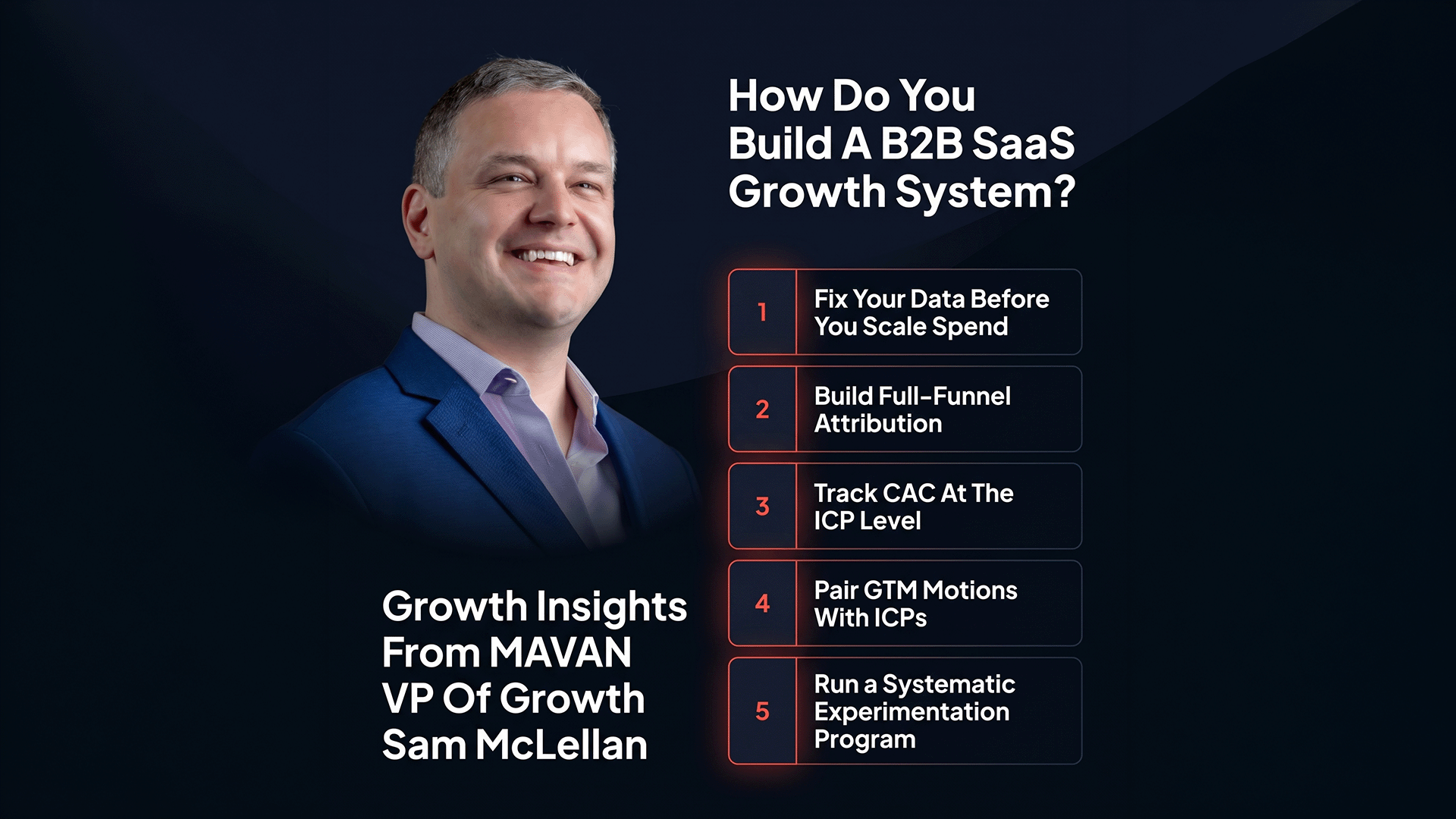
How Do You Build a B2B SaaS Growth System That Scales Beyond Founder-Led?
The fastest-scaling B2B SaaS companies are adopting measurement and experimentation disciplines from mobile gaming — including granular multi-touch attribution, ICP-segmented CAC tracking, and systematic creative testing. Companies that close that gap now are building compounding advantages that won’t be easy to replicate later. TLDR — The 10 Most Important B2B SaaS Growth Lessons Your board…