
What does it take to build not one, but multiple billion-dollar businesses? For Nigel Eccles, co-founder of FanDuel, it comes down to mastering the right mix of skills, strategy, and mindset.
On this week’s episode of Growth@Scale, we sat down with Nigel to explore his entrepreneurial journey, from launching FanDuel to building four more companies in the gaming and entertainment space. He even shared a glimpse into his latest venture, BetHog, which is set to disrupt the crypto sports betting industry.
The Key Takeaways
1. Mastering Probability and Consumer Psychology
Nigel’s deep interest in math and gambling played a pivotal role in shaping FanDuel’s success. By leveraging probability and understanding consumer psychology, he was able to create an engaging and addictive platform for fantasy sports fans. His insights offer a powerful lesson for entrepreneurs looking to combine their passion with practical business applications.
2. The Power of the Pivot
Nigel emphasizes that 60-70% of successful consumer businesses stem from strategic pivots. Entrepreneurs often get stuck on their original ideas, but the willingness to pivot is crucial. Nigel’s journey is a testament to the importance of staying agile and adapting your vision to meet market demand.
3. Competing in Saturated Markets
Launching FanDuel in an already crowded fantasy sports market wasn’t easy. Nigel shares valuable lessons on how to navigate saturated industries, including strategies to avoid when you’re up against established incumbents. His advice? Focus on differentiation and find unique value propositions that resonate with your target audience.
What Can We Learn?
Nigel’s story highlights the importance of agility, creativity, and resilience in entrepreneurship. His success wasn’t built on sticking to a single idea but on knowing when to pivot and adapt.
If you’re interested in learning more from industry leaders like Nigel, make sure to listen to the full episode of Growth@Scale here. And don’t forget to subscribe so you never miss an episode.
Book a complimentary consultation with one of our experts
to learn how MAVAN can help your business grow.
Want more growth insights?
Thank you! form is submitted
[hubspot type=”form” portal=”20951211″ id=”9c538ed2-fb12-45f1-a573-ad7953c058cc”]
Related Content
-
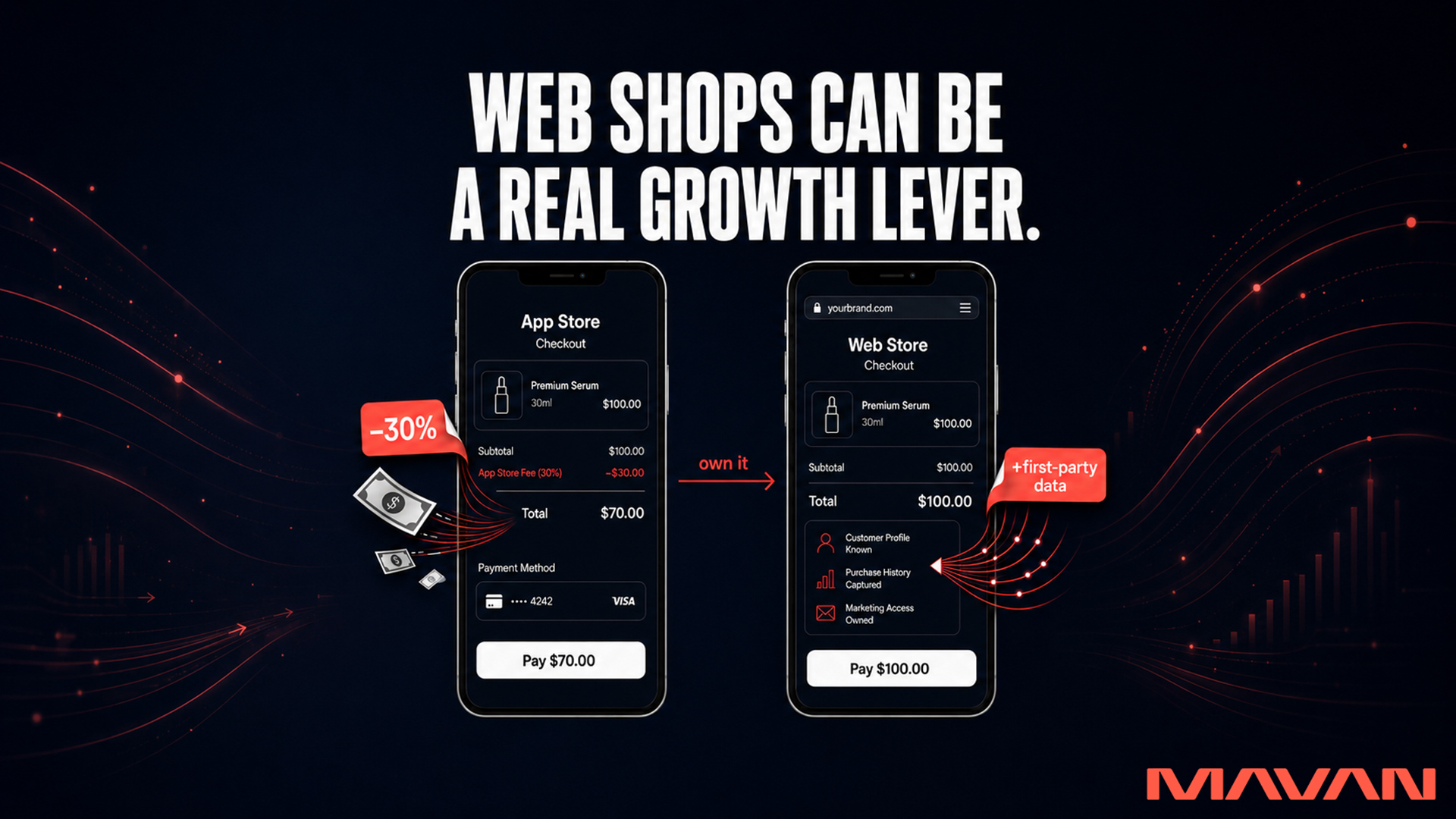
Are Mobile Game Web Shops A Growth Lever In 2026?
After Apple’s IDFA changes, mobile game studios grow by launching a web shop — a game-branded web store they own. It reclaims the 15 to 30 percent that app stores take on every purchase and rebuilds the first-party player data that makes user acquisition work again.
-

How Do You Avoid Hiring A Bad First Growth Hire?
Most first growth hires fail because the person is dropped into a company with no working system to sharpen, not because they lack talent. The fix is to build the system first — document what already drives growth, or embed a growth pod to turn scrappy channels into a coordinated system with a 90-day playbook — then make your senior hire, so they inherit a working machine instead of a blank page.
-
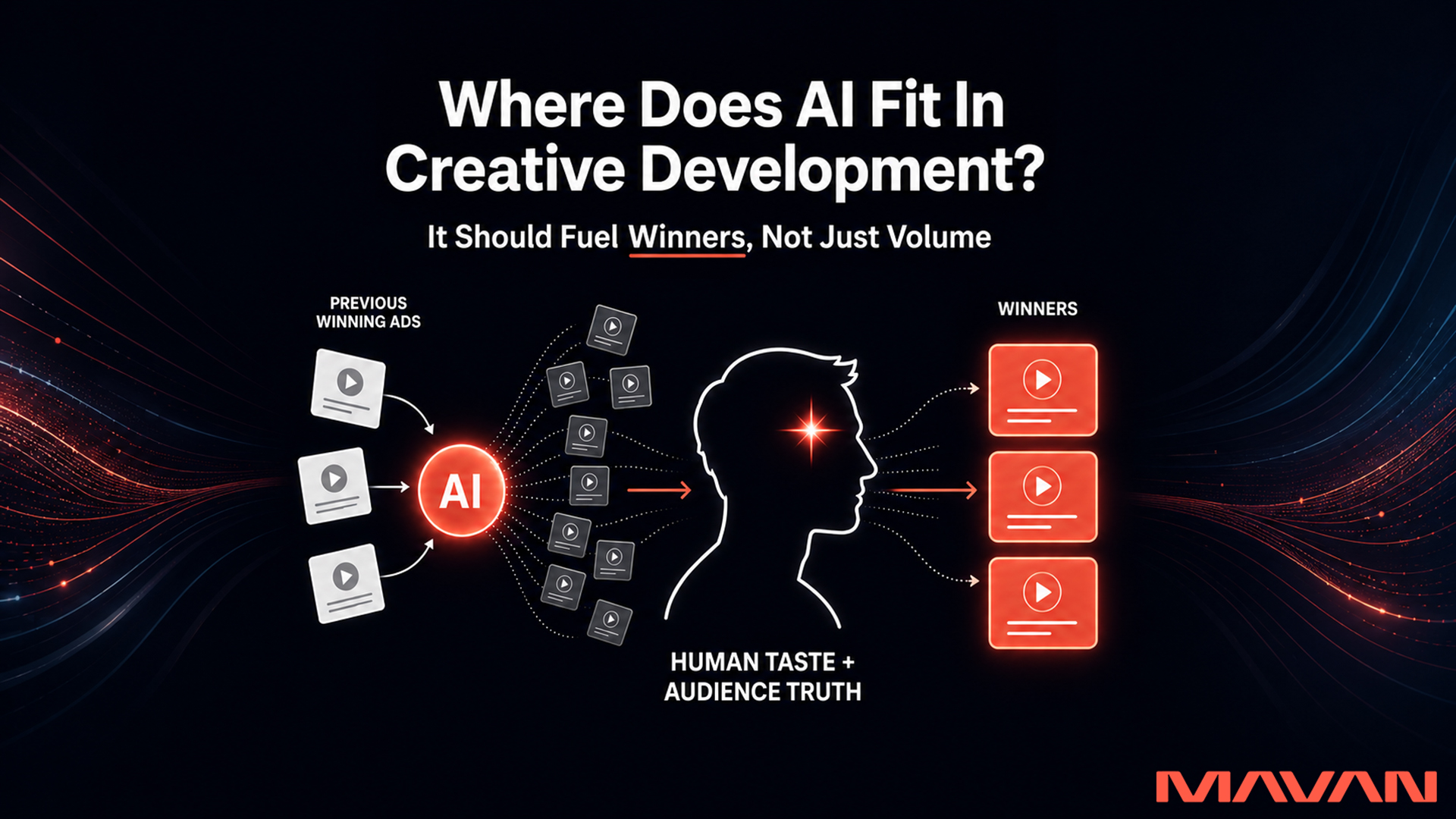
How Do You Use AI For Winning Ads In Creative Development?
AI’s biggest near-term payoff in growth is creative. Use it to generate more concepts and rebuild what already works — then rely on human taste, audience truth, and disciplined testing to decide which creative ships and scales.