
In the latest episode of Growth@Scale, we are thrilled to host David Rodnitzky, a luminary in digital marketing and M&A.
David is the founder of David Rodnitzky Consulting, a boutique firm specializing in guiding agency founders through the complexities of acquisition, scaling, and M&A opportunities. He also founded 3Q Digital, a media management company that managed over two billion dollars in ad spend annually before becoming part of DEPT. With a rich background in strategic marketing, David brings a wealth of knowledge and experience to the conversation.
Key Topics Discussed:
- Long-Term Thinking: David emphasizes the importance of building a sustainable business focused on long-term client relationships rather than short-term profitability. “Think about lifetime value and not about quarterly earnings,” he advises.
- Strong Financial Leadership: The discussion highlights the critical role of hiring a competent CFO early on to ensure sound financial management and strategic investment.
- Culture and Fit: Maintaining a strong, aligned culture is essential for growth. David shares his approach to evaluating team members by asking, “If this person left today, would you be panicked, ambivalent, or relieved?”
- Earn-Out Terms in M&A: Negotiating favorable terms during the earn-out period is crucial for maintaining control of your business and avoiding potential pitfalls.
- Due Diligence in M&A: David underscores the importance of thorough due diligence on potential buyers to ensure they align with your business values and goals.
For agency founders and business leaders looking to scale, navigate acquisitions, or prepare for a sale, this episode is a trove of actionable advice, and real world experience.
Listen to the full episode and be sure to subscribe to Growth@Scale for more content on driving sustainable growth for your business.
Book a complimentary consultation with one of our experts
to learn how MAVAN can help your business grow.
Want more growth insights?
Thank you! form is submitted
[hubspot type=”form” portal=”20951211″ id=”9c538ed2-fb12-45f1-a573-ad7953c058cc”]
Related Content
-
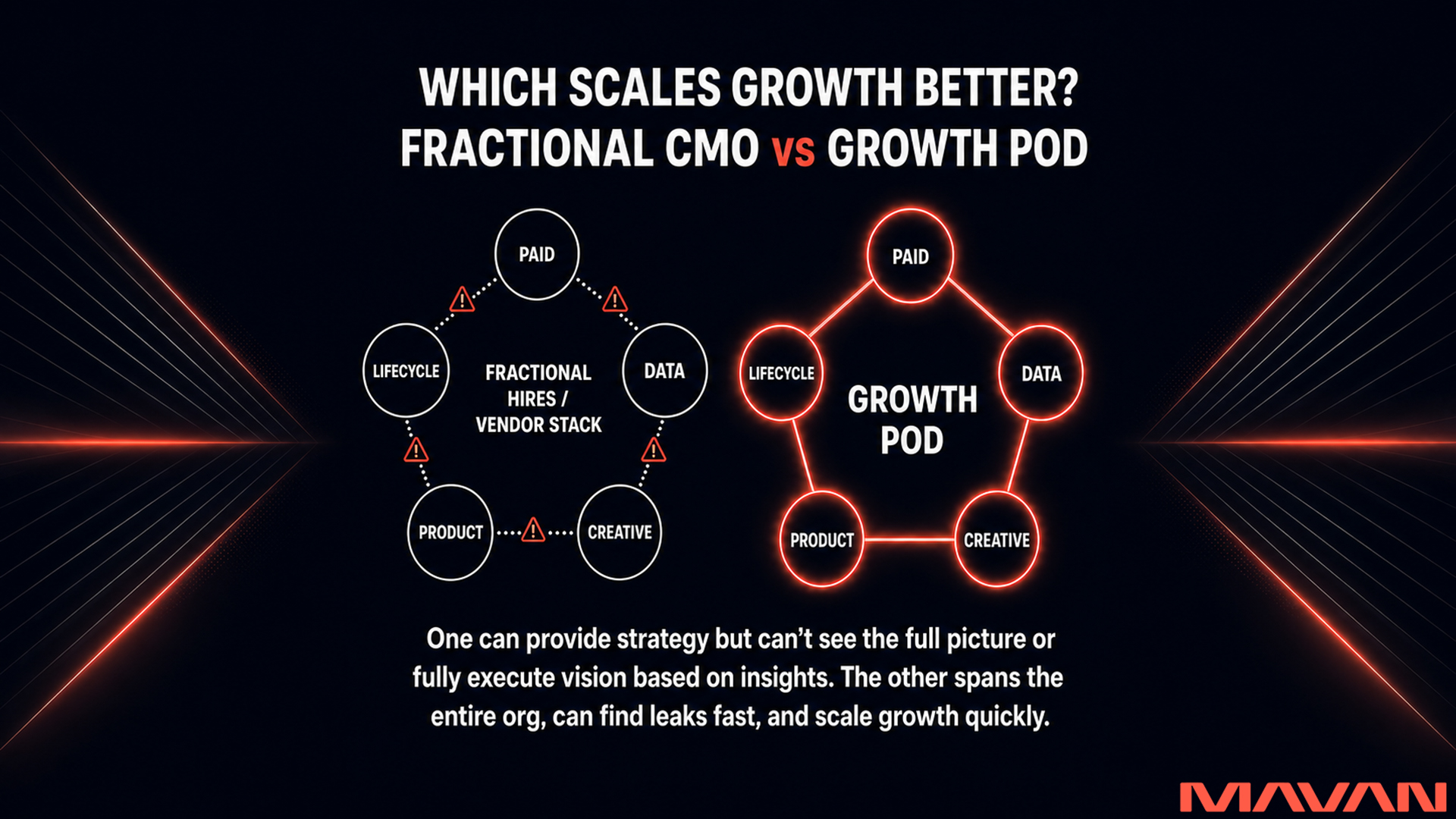
What Scales Series A Startups Best: Growth Pods or Fractional CMOs?
A fractional CMO gives a Series A startup senior marketing strategy on a part-time basis. A growth pod adds the cross-functional team that ships it. The right choice depends on whether your real bottleneck is direction or delivery.
-
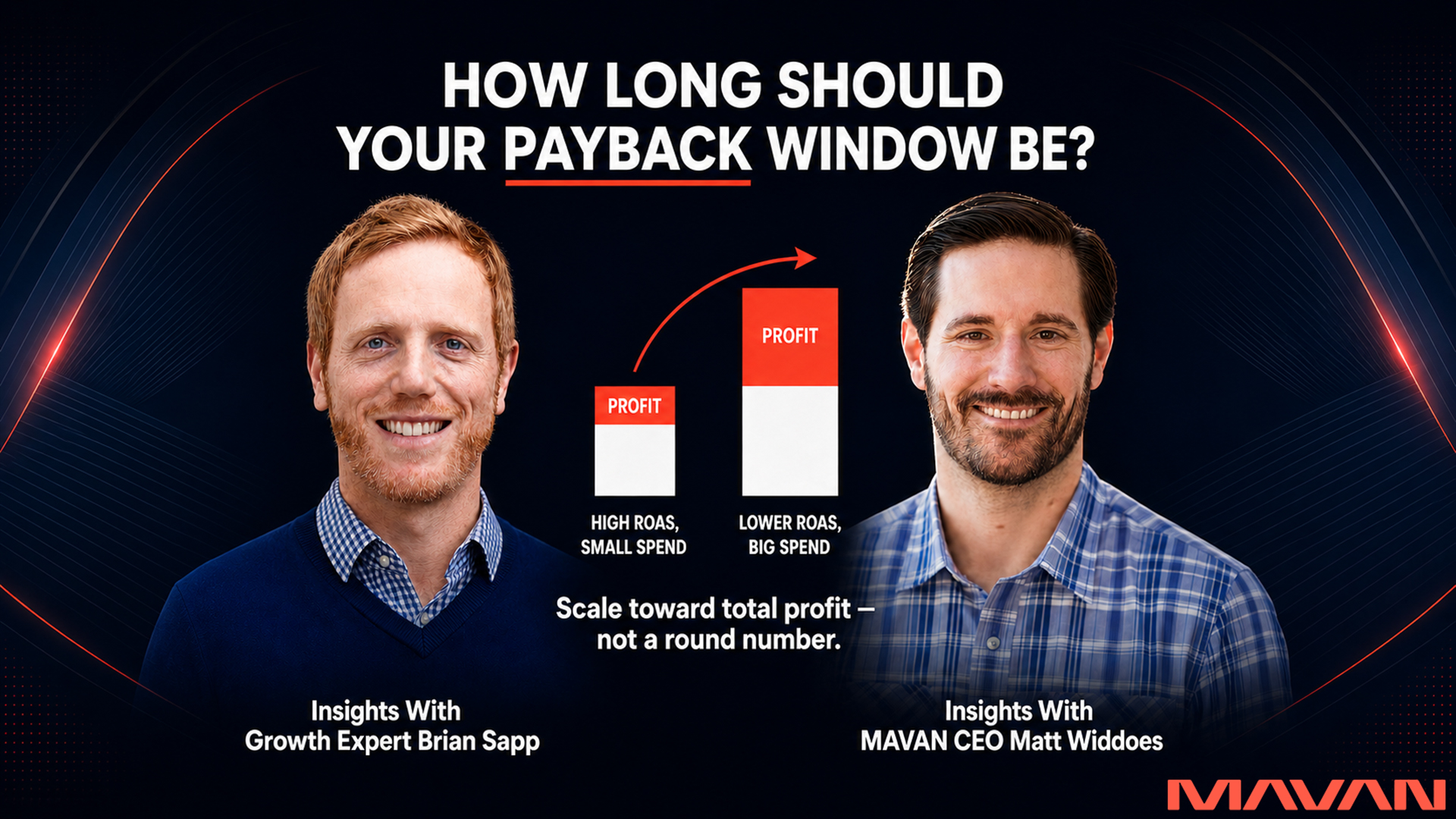
ROAS vs Total Profit: How Long Should Your Payback Window Be?
Your payback window is a business decision you control, not a fixed rule handed down to you. The teams that pull ahead scale spend toward maximum total profit across the full customer lifetime, accepting a lower return on ad spend at higher volume when the math clears more profit overall. They earn that room with predictive lifetime-value models, backtested cohorts, and incrementality tests — then bring the board a quantified tradeoff instead of a request for faith. Done with discipline and a fallback ready, a longer window is a retractable investment in profit you have already proven exists.
-
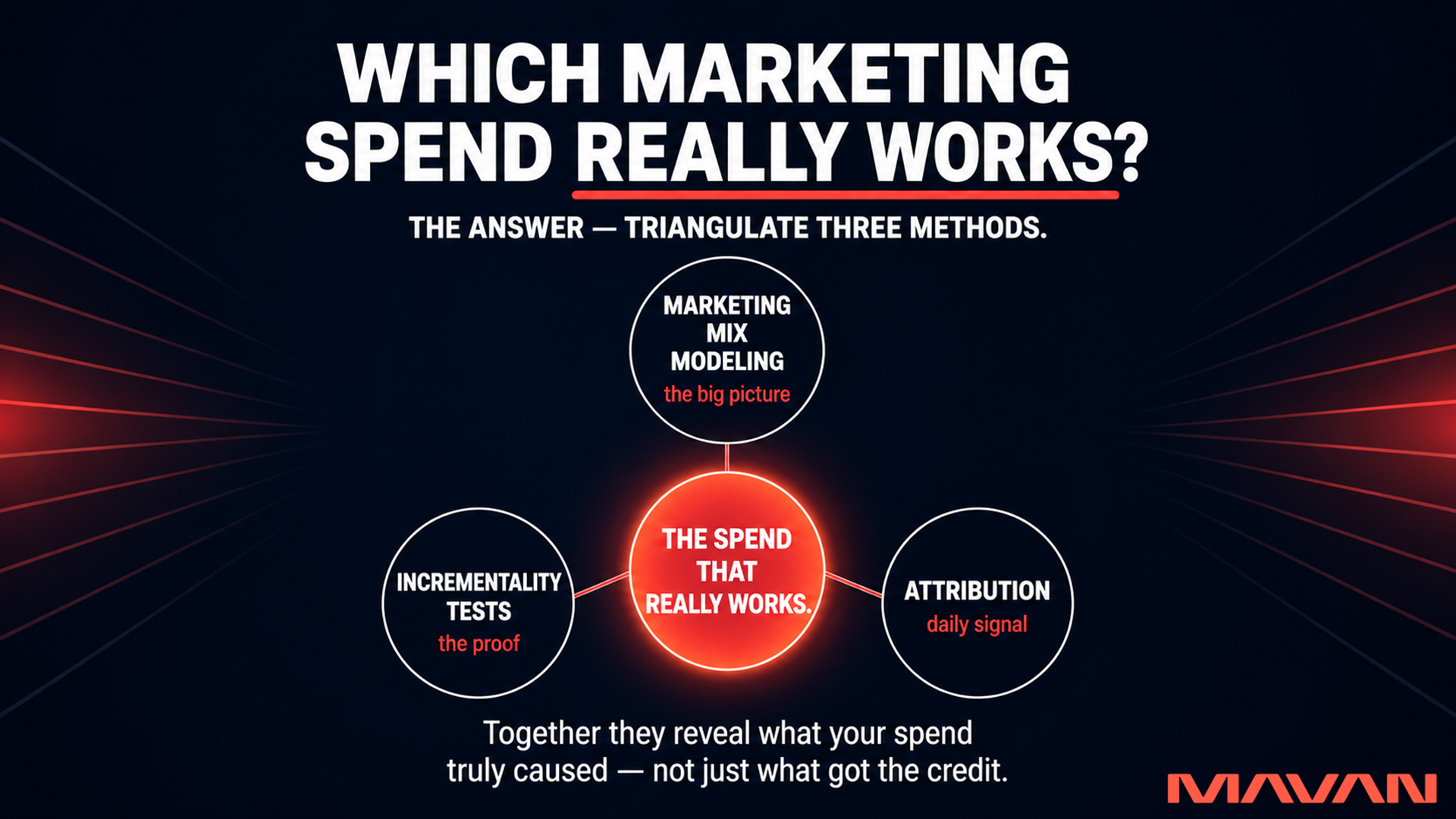
How Do I Measure Which Marketing Spend Really Works?
To know which marketing spend actually works, combine three methods — marketing mix modeling for the strategic portfolio view, incrementality tests for causal proof, and platform attribution for tactical signal — and run them through one source of truth your board can trust.