
In this episode of Growth@Scale, we sit down with Kristen Perry, a real estate agent with Coldwell Banker who successfully pivoted from a decade-long career in the tech and mobile gaming industry to the competitive world of Bay Area real estate. Kristen shares her journey of making this major career change, what motivated her, and how she found success by focusing on her passions and relationships.
Whether you’re contemplating a career switch or looking to build a thriving business, Kristen’s insights are sure to inspire and guide you through the challenges of making bold moves with confidence.
Key Insights:
How to Identify When It’s Time for a Career Pivot – Kristen discusses how a feeling of disconnect in her tech career led her to seek a path aligned with her true passions and values.
Building Trust and Relationships in a New Industry – Kristen highlights how focusing on people, community, and authentic connections were key to her quick success in real estate.
Adaptability and Learning from Past Experiences – Drawing from her background in tech, Kristen shares how skills like adaptability, resilience, and strategic thinking helped her navigate the long sales cycles and challenges of real estate.
Why Persistence and Showing Up Every Day is Key – Kristen stresses the importance of showing up consistently, working hard, and building your business from the ground up, emphasizing that success is hard-earned and deeply rewarding.
“If I’m gonna leave my son for 8 hours a day, I want it to be for something I’m really enjoying.” – Kristen Perry
Listen to the Full Episode:
Ready to dive deeper? Tune in to the full episode of Growth@Scale with Kristen Perry and learn how to make a career change with confidence: Listen to the episode here.
Kristen Perry’s journey from tech to real estate offers invaluable lessons on how to trust your instincts, work with passion, and navigate the challenges of a new industry. Whether you’re thinking about making a career change or building a business from scratch, Kristen’s story proves that with dedication and the right mindset, you can find success and fulfillment in unexpected places.
Subscribe to Growth@Scale for more expert conversations on driving growth, or visit MAVAN.com for more insights into scaling your business.
Book a complimentary consultation with one of our experts
to learn how MAVAN can help your business grow.
Want more growth insights?
Thank you! form is submitted
[hubspot type=”form” portal=”20951211″ id=”9c538ed2-fb12-45f1-a573-ad7953c058cc”]
Related Content
-
What’s the Best Growth Agency For VC & PE?
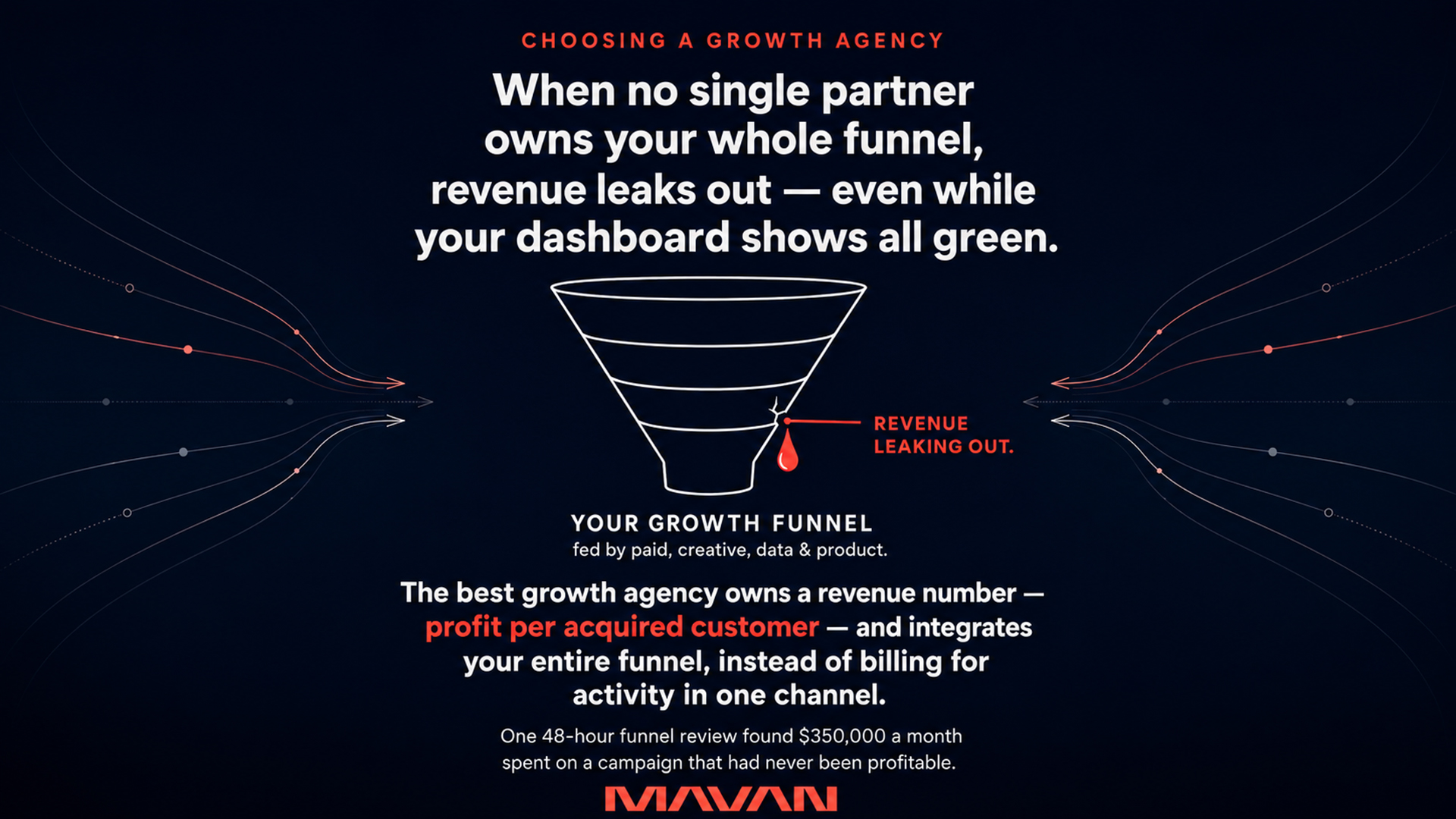
The best growth agency for a venture-backed or PE-owned company behaves less like a traditional agency and more like an embedded operating partner. It diagnoses your whole funnel, owns a revenue number such as CAC payback or LTV:CAC, and executes inside your team — rather than billing for activity in one channel.
-
Is 1 GTM Motion the Biggest B2B SaaS Mistake?
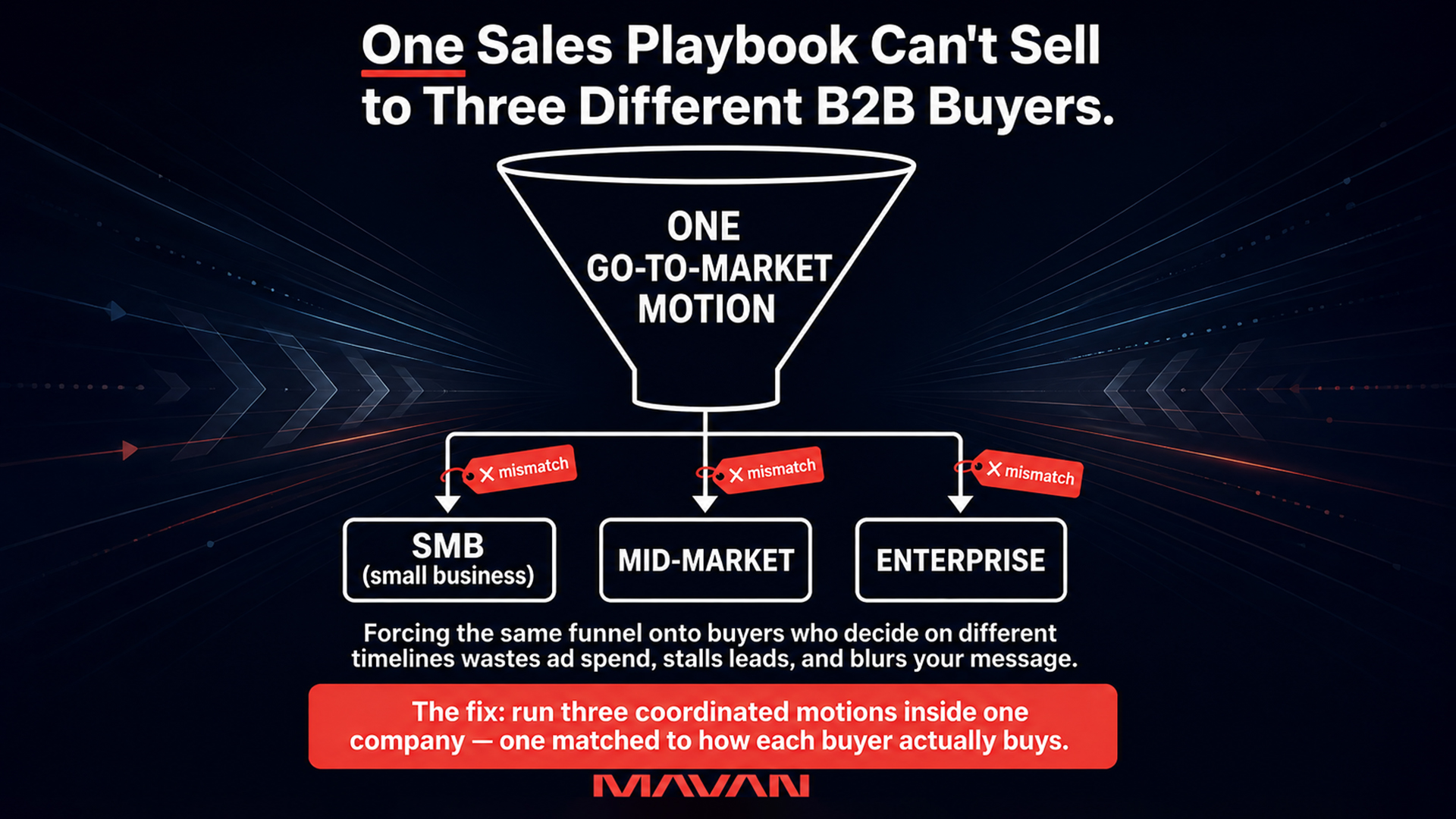
The biggest go-to-market mistake in B2B SaaS is forcing one motion across SMB, mid-market, and enterprise, which buy on completely different timelines. The fix is running three coordinated motions inside one company: product-led growth for SMB, sales-assist for mid-market, and account-based marketing for enterprise, each matched to how that segment actually buys.
-
How Do You Evaluate a Portfolio Growth Partner?
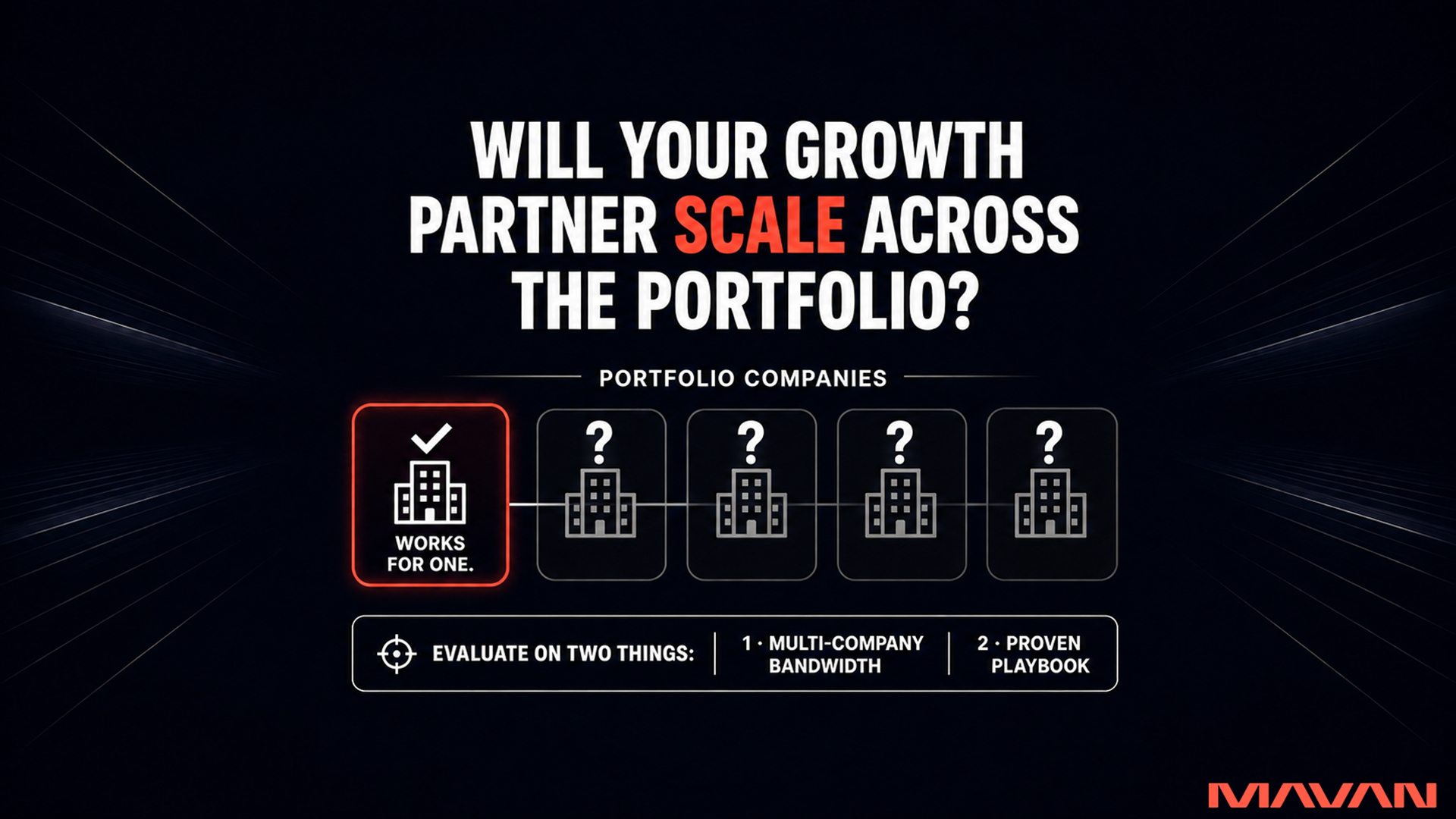
To evaluate a growth partner for a fund’s portfolio, test two things. First, multi-company bandwidth: whether their operating model, not their headcount, lets them run many portfolio companies at once without quality slipping. Second, a proven playbook: a documented growth system that transfers between companies and survives leadership change, rather than living in one operator’s head.