
When trying to reach our audience online, the process, while the back end is rather technologically intricate and elaborate, is quite simple: you create a set of ads and let the algorithm get to work delivering it to the right people at the right time. Always optimizing, becoming more efficient with each iteration.
Experiential marketing, however, is a whole different ball game. A lot of planning, research, and groundwork needs to be done in order to deliver a memorable experience that leaves your audience with a positive impression of your brand that, when done right, has a measurable impact.
On the latest episode of Growth@Scale, Matt Widdoes sat down with experiential marketing expert and entrepreneur Jeremy Leal. Jeremy gave a first-hand account of his time at Red Bull and his own XM agency, Helen, and shared some of the lessons he learned about building relationships with your audience, and the people who help sell your product.
Understand Your Audience
To make genuine connections with your audience, you need to develop accurate customer personas. Use customer history, lookalike audiences, and scrape demographics from your social media following to develop a clear picture of who they are and what they like, to help inform the types of meaningful experiential marketing activations that will resonate with them.
Seamless Brand Integration
Authentically integrating your brand with a cultural event, festival, or activity is fundamental to creating meaningful interactions and experiential storytelling. Identify precise opportunities within your marketing strategy where your brand can elevate the overall experience. Instead of paying for a sponsorship-tier of an event where all you get is your logo on a t-shirt, consider other ways of authentically injecting your brand into the event. Is it a branded cooling station that provides relief in a hot summer event? Do you provide a surprise day off for the front-of-house staff responsible for recommending and serving your product? Whatever your industry, look for an authentic way to connect your brand with the event.
Create Memorable Merchandise
We all love swag, but not something that is going straight into the Goodwill bin after the event. To create a lasting impression with your audience, consider investing in merchandise that people will want to wear or keep. Look at what your competitors are doing and find ways to elevate it. It could be as simple as choosing a higher-quality t-shirt and making your logo less prominent in exchange for a more attractive design. The longer your audience interacts with their promotional items, the longer your brand stays at the top of their minds.
Define Goals & Assess Impact
If you can’t measure impact, is it even worth doing? Setting clear, concise goals prior to an event and establishing methods to measure impact after the fact are essential to evaluate success and applying learnings to future activations. Find what works, and do it more. If something didn’t have as big an impact as expected, try something else next time. Like any other aspect of marketing, experiential marketing is a learning process where you’re continually refining and building off past experiences.
Innovate Through Collaboration
A well-executed influencer partnership can elevate your experience and amplify your experiential marketing initiatives. Partnering with an influencer with a strong connection to your audience can heighten excitement, boost engagement, and make your event even more memorable. Further, the money invested in the right influencer partnership can pay dividends with extended reach, impressions on social media, and building stronger connections to your brand.
Think of experiential marketing as the IRL extension of your digital marketing efforts. You can still apply many of the same principles that deliver you success in the digital world, but with the added challenge/benefit of delivering real-time joy and excitement to your audience. By understanding your audience and meeting them where they are, finding ways to organically integrate your brand into an event, leaving them with swag worth keeping, and collaborating with influencers who can amplify your message, you can position your brand with valuable insights while creating memorable, measurable, experiences.
Book a complimentary consultation with one of our experts
to learn how MAVAN can help your business grow.
Want more growth insights?
Thank you! form is submitted
[hubspot type=”form” portal=”20951211″ id=”9c538ed2-fb12-45f1-a573-ad7953c058cc”]
Related Content
-
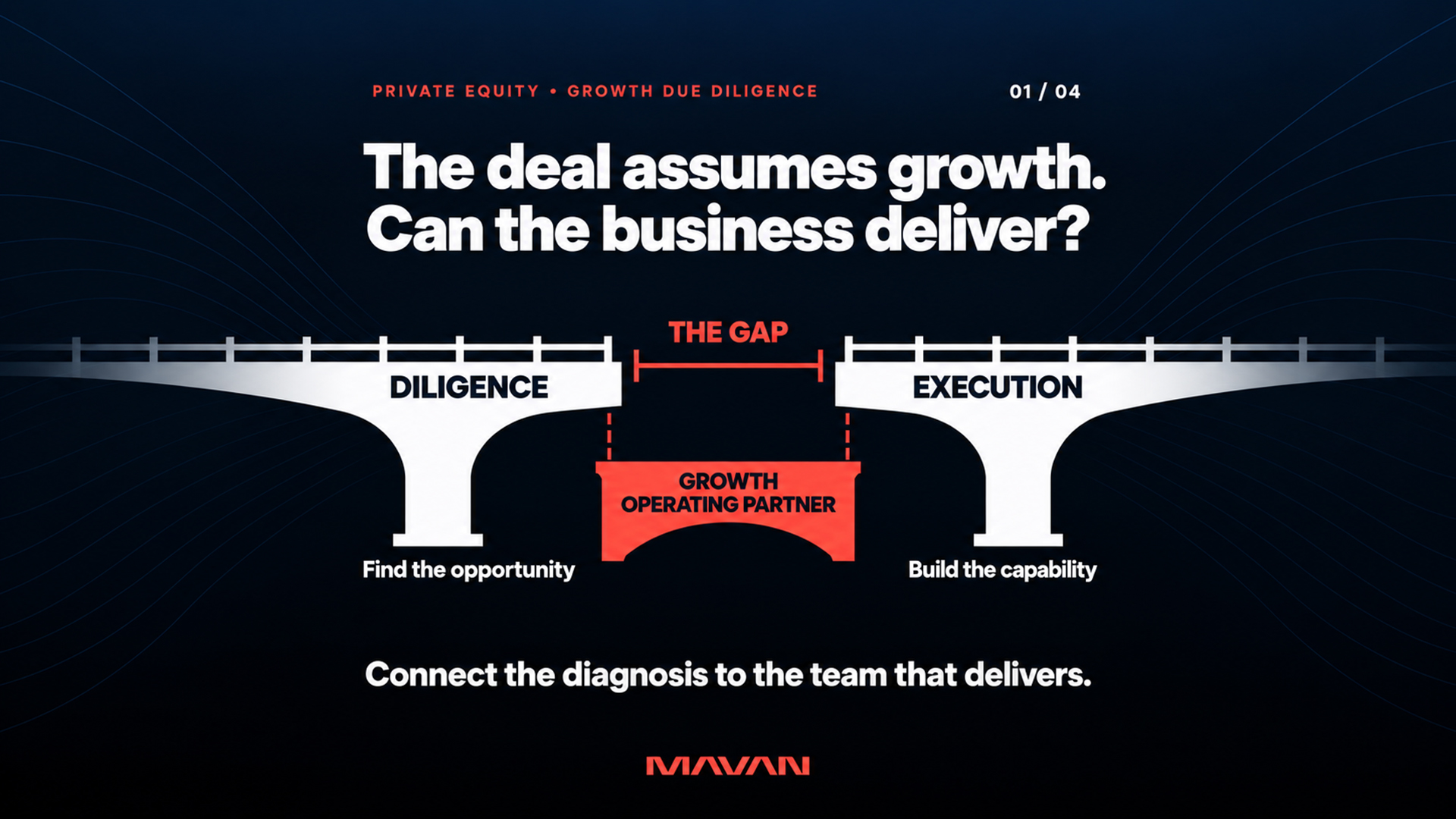
Who Does Growth & GTM Due Diligence for PE Deals?
Four kinds of provider run growth and go-to-market due diligence for private equity deals. Strategy consultancies test the market. Specialist commercial diligence firms audit the pipeline. Go-to-market boutiques rebuild the sales motion. And growth operating partners examine the full revenue engine from inside the business, then stay to operate it after close.
-
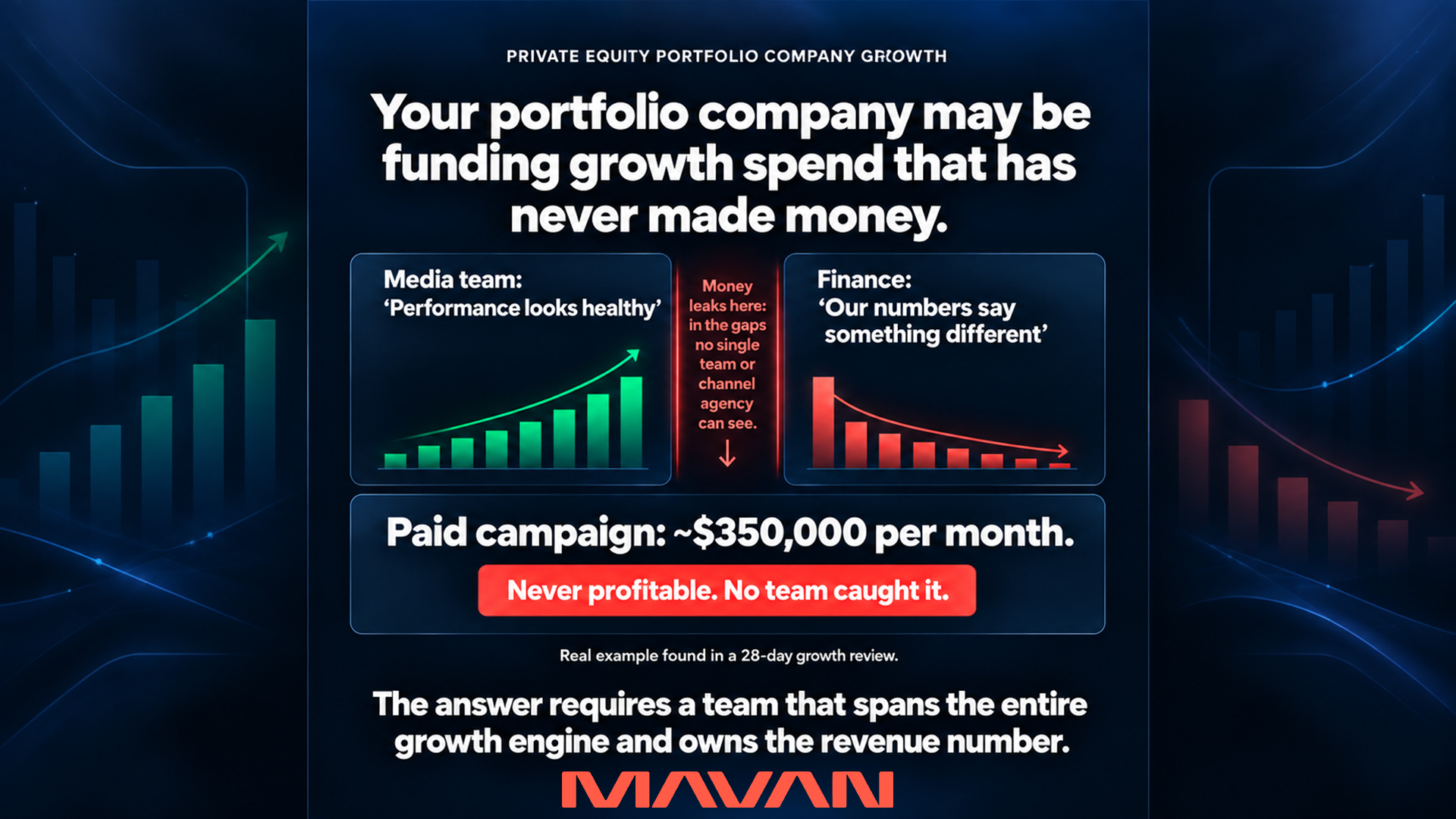
Who Is The Best Growth Partner For PE Portfolio Companies?
The best growth partner for a private equity portfolio company behaves like an operating partner you deploy, not an agency you brief. It reads the whole growth system before it spends, owns a revenue number alongside management, and leaves the capability behind so the sponsor can redeploy it.
-
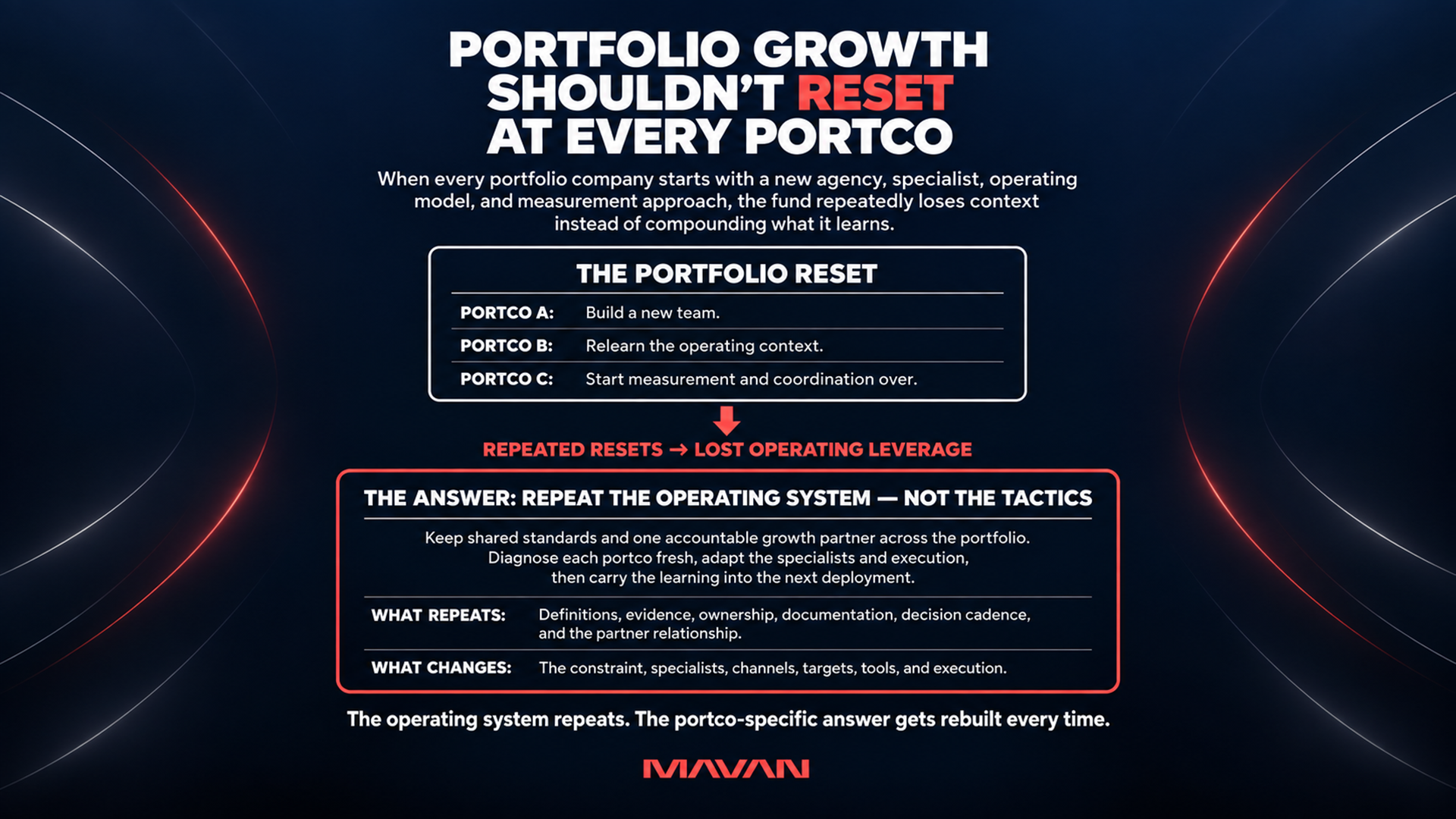
How Can Private Equity Funds Repeat Growth Across Portfolio Companies?
Growth becomes repeatable across a VC or PE portfolio when the fund installs one operating system instead of referring each company to a different specialist. The system has three parts: a single source of truth every team trusts, a board-ready scoreboard of ten to twelve metrics, and an embedded pod that diagnoses the real constraint in ninety days before anyone spends more.