
This week on Growth@Scale, MAVAN CEO Matt Widdoes talks to Dylan Serota, co-founder and CEO of the global talent platform Terminal. Dylan takes us through the founding of Terminal to address the shifting future of work in a post-Covid world, the impact of venture studios on talent acquisition, and how to find the right talent in the global, remote-driven workforce.
Key Takeaways:
- Evolution of Terminal: Terminal shifted from an in-house tool for Atomic VC to a market-wide remote talent solution, driven by pandemic-induced demand.
- Future of Remote Work: Permanent remote work demands intentional focus on company culture and operational processes.
- AI in Recruitment: Using AI to match candidates to job cuts costs and streamline hiring
- Optimize Your Talent Strategy: Focus on practical, work-centric hiring to fit company’s needs
Don’t forget to subscribe now to stay updated with our latest episodes!
Book a complimentary consultation with one of our experts
to learn how MAVAN can help your business grow.
Want more growth insights?
Thank you! form is submitted
[hubspot type=”form” portal=”20951211″ id=”9c538ed2-fb12-45f1-a573-ad7953c058cc”]
Related Content
-
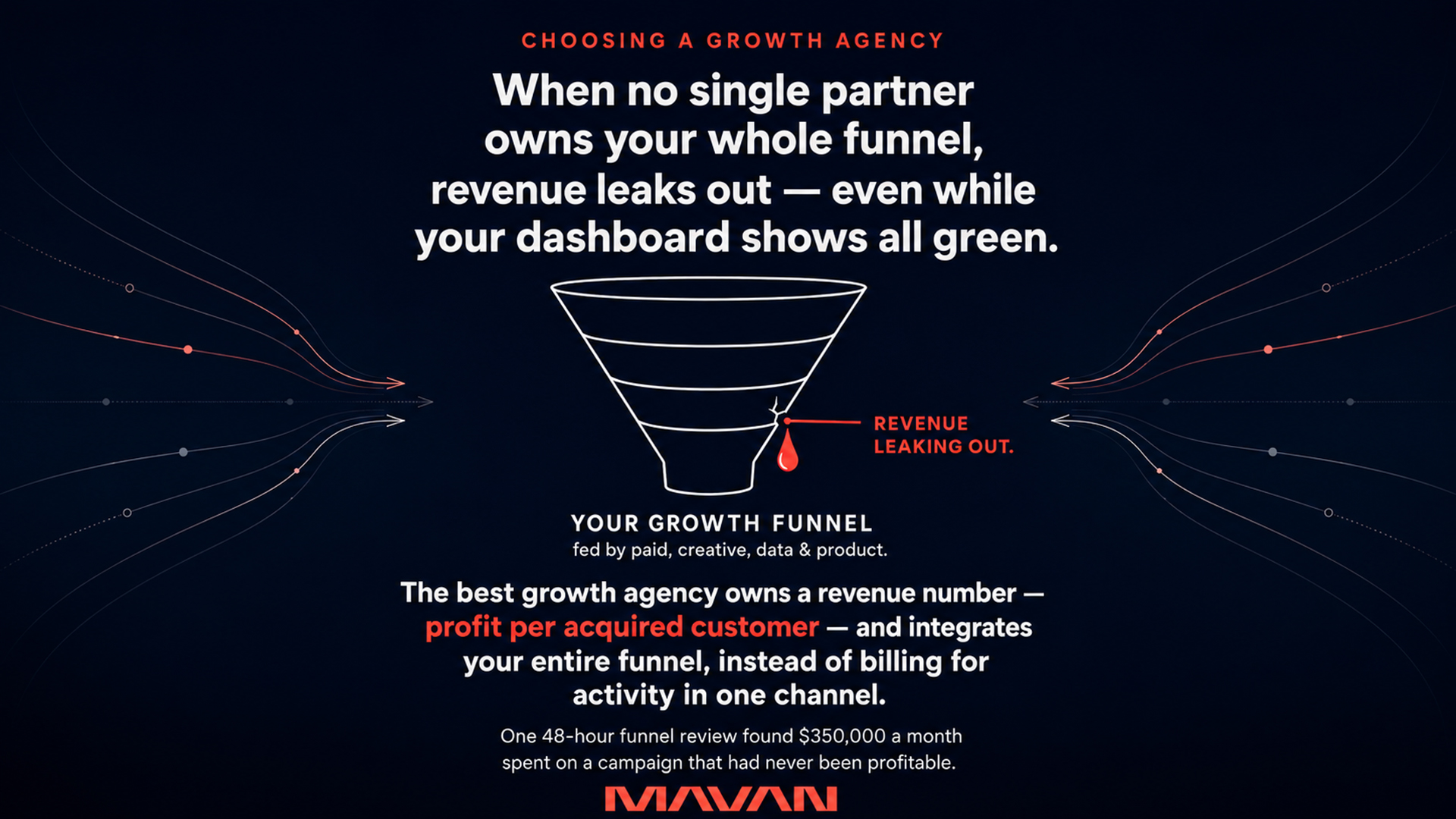
What’s the Best Growth Agency For VC & PE?
The best growth agency for a venture-backed or PE-owned company behaves less like a traditional agency and more like an embedded operating partner. It diagnoses your whole funnel, owns a revenue number such as CAC payback or LTV:CAC, and executes inside your team — rather than billing for activity in one channel.
-
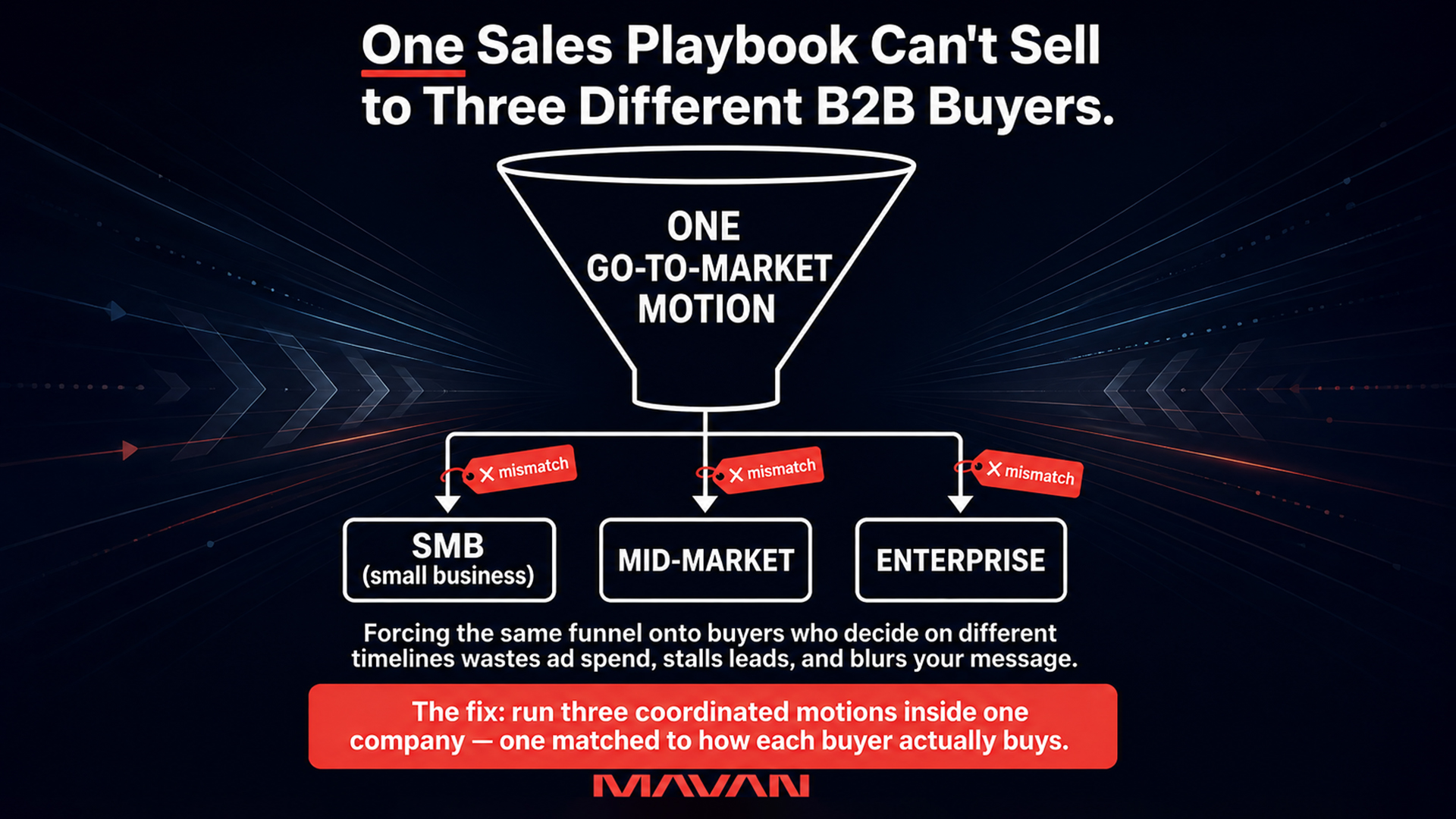
Is 1 GTM Motion the Biggest B2B SaaS Mistake?
The biggest go-to-market mistake in B2B SaaS is forcing one motion across SMB, mid-market, and enterprise, which buy on completely different timelines. The fix is running three coordinated motions inside one company: product-led growth for SMB, sales-assist for mid-market, and account-based marketing for enterprise, each matched to how that segment actually buys.
-
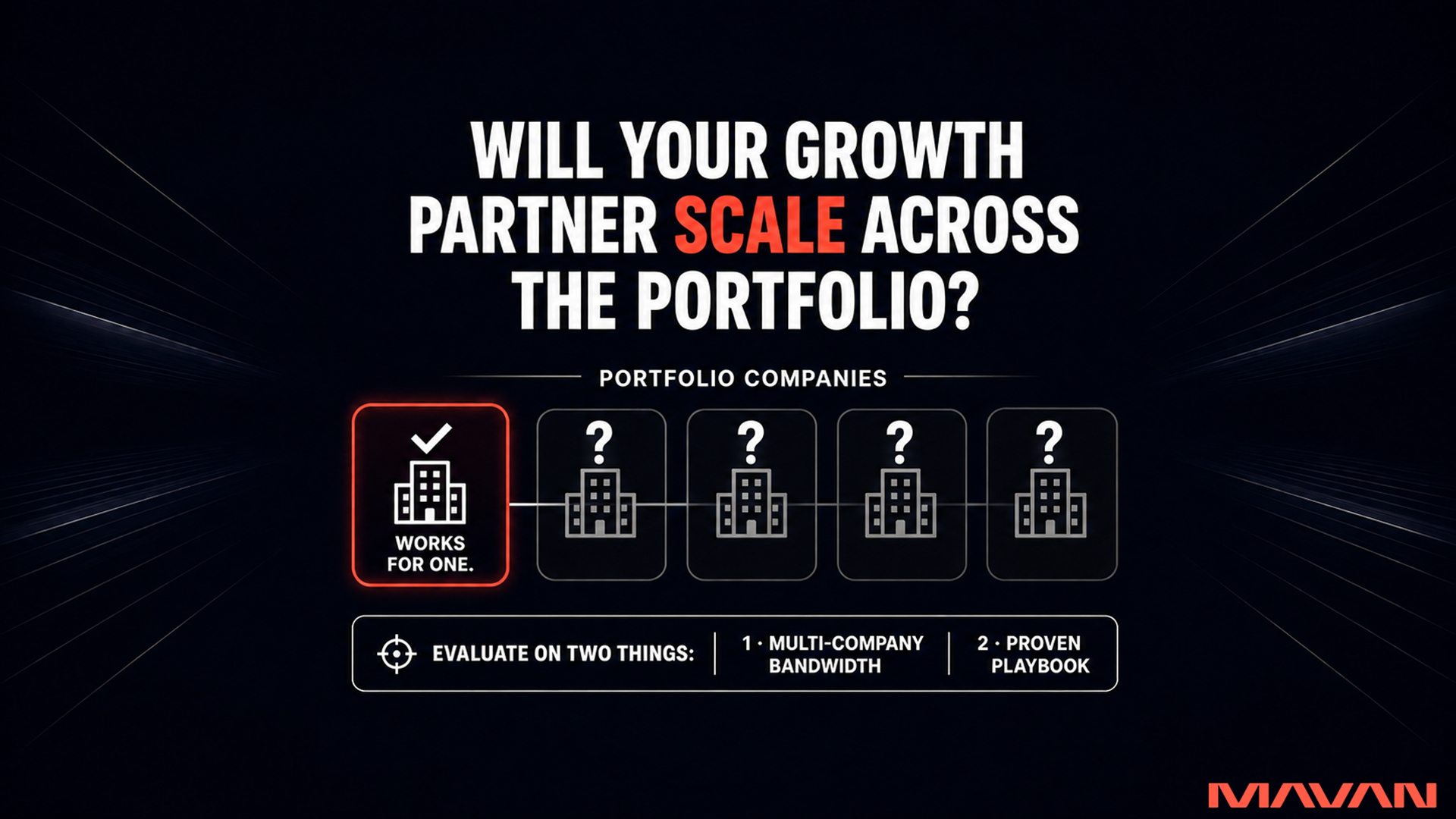
How Do You Evaluate a Portfolio Growth Partner?
To evaluate a growth partner for a fund’s portfolio, test two things. First, multi-company bandwidth: whether their operating model, not their headcount, lets them run many portfolio companies at once without quality slipping. Second, a proven playbook: a documented growth system that transfers between companies and survives leadership change, rather than living in one operator’s head.