
Key Takeaways
- The strategic pivot from centralized offices to a global talent marketplace that transformed Terminal’s business model, addressing both the company needs and the evolving remote workforce
- The importance of targeted hiring processes that go beyond superficial metrics to find the right talent for specific company needs
- The role of AI in optimizing talent acquisition and marketplace operations can improve efficiency and scalability, reduce operational costs, and enhance output
From Offices to Remote: The Evolution of Terminal’s Business Model
The COVID-19 pandemic has dramatically reshaped how companies think about their workforce, pushing the remote work model into the mainstream. “Toothpaste is out of the bottle with remote work,” says global talent platform Terminal’s CEO and co-founder Dylan Serota. His company Terminal initially functioned as a vertical service platform aimed at setting up satellite offices for various engineering teams before the pandemic flipped this model on its head… With geographical constraints removed, engineers and managers began to embrace the broader talent pool available globally.
The Importance of Tailored Hiring
Founders should focus on identifying the ‘right’ talent for specific roles, rather than adhering to generic standards. Of course, what ‘right’ is depends on your company, your company’s stage, and what you’re solving for. Interpersonal interaction can be a pivotal factor in discerning hire quality, suitability, and fit. Instead of attempting to attract an impossibly high archetype, companies should define their hiring metrics based on a more balanced, realistic perspective.
Leveraging AI for Scalable Talent Acquisition
Like it or not, Artificial Intelligence is here to stay, revolutionizing the talent acquisition industry along the way. Handling applications ranging from materials engineers to software developers, AI streamlines the initial screening process, ensuring only the most relevant profiles make it to the hiring stage. Interestingly, AI doesn’t just handle pre-interview screenings but extends to curating and enriching candidate profiles by analyzing transcripts from conversations with potential hires. This elevates the quality of data in the system, further enhancing the efficacy of AI-driven matches.
Remote Innovation & the Future of Work
As remote work becomes more common, companies are learning to leverage the power of a global talent pool out of necessity and for competitive advantage. AI-driven marketplaces also present significant social implications, bridging the gap between opportunity and geography. With AI, it is possible for a talented engineer in a remote location to land a job that traditionally would be available only to those living in tech hubs. This democratization provides businesses with not just the best talent, but the right talent, leading to a more balanced, equitable global workforce.
Book a complimentary consultation with one of our experts
to learn how MAVAN can help your business grow.
Want more growth insights?
Thank you! form is submitted
[hubspot type=”form” portal=”20951211″ id=”9c538ed2-fb12-45f1-a573-ad7953c058cc”]
Related Content
-
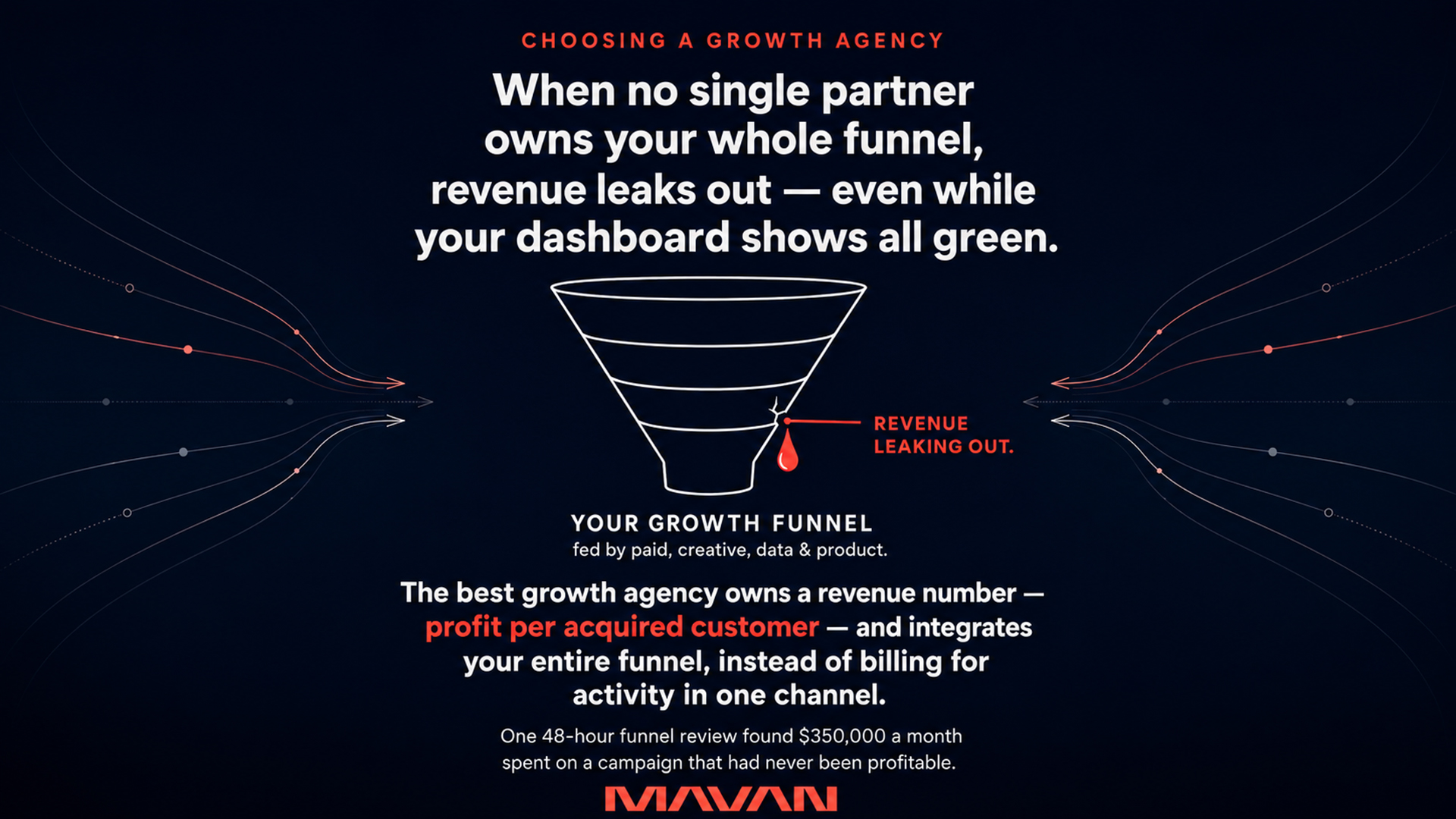
What’s the Best Growth Agency For VC & PE?
The best growth agency for a venture-backed or PE-owned company behaves less like a traditional agency and more like an embedded operating partner. It diagnoses your whole funnel, owns a revenue number such as CAC payback or LTV:CAC, and executes inside your team — rather than billing for activity in one channel.
-
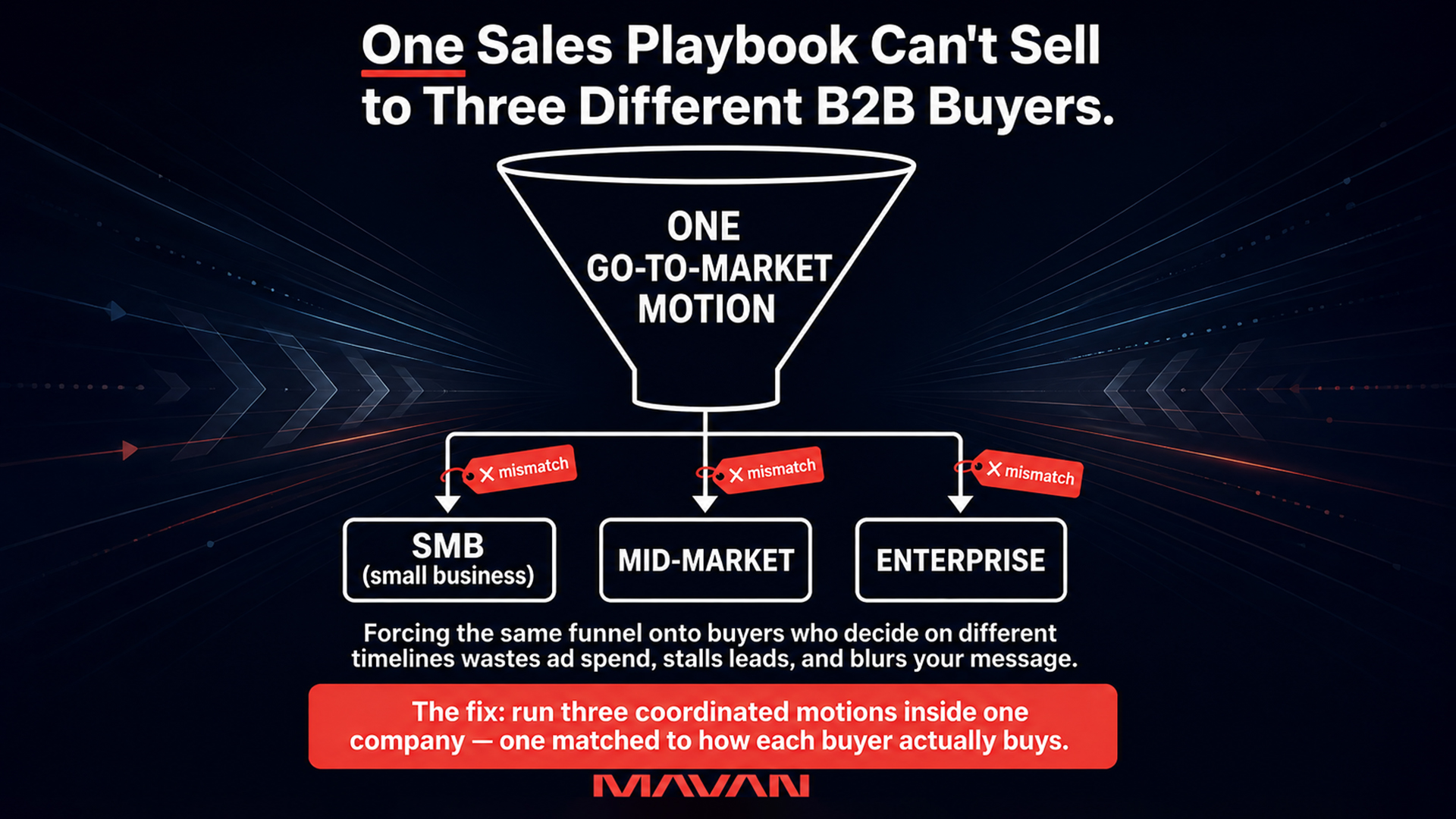
Is 1 GTM Motion the Biggest B2B SaaS Mistake?
The biggest go-to-market mistake in B2B SaaS is forcing one motion across SMB, mid-market, and enterprise, which buy on completely different timelines. The fix is running three coordinated motions inside one company: product-led growth for SMB, sales-assist for mid-market, and account-based marketing for enterprise, each matched to how that segment actually buys.
-
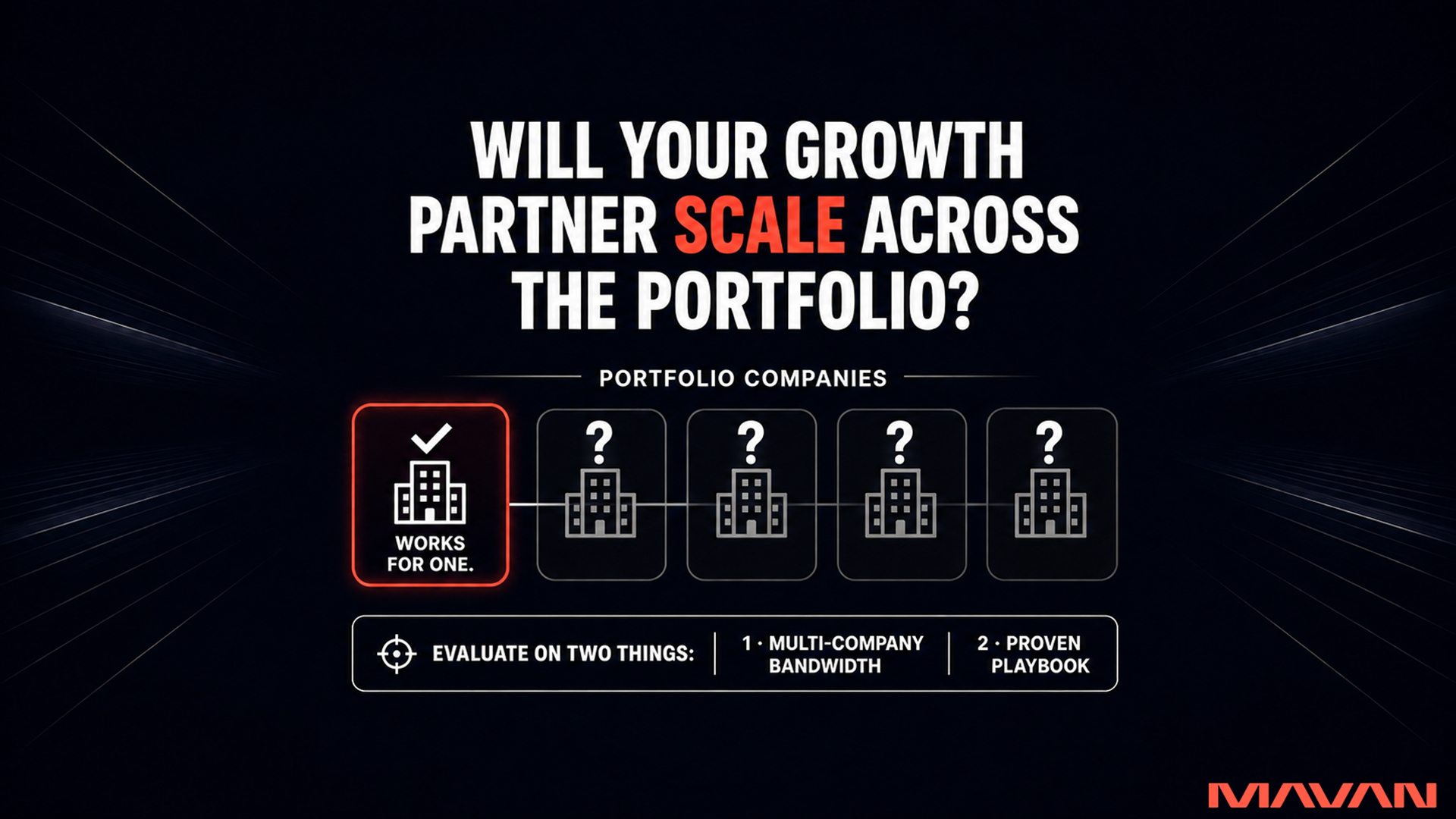
How Do You Evaluate a Portfolio Growth Partner?
To evaluate a growth partner for a fund’s portfolio, test two things. First, multi-company bandwidth: whether their operating model, not their headcount, lets them run many portfolio companies at once without quality slipping. Second, a proven playbook: a documented growth system that transfers between companies and survives leadership change, rather than living in one operator’s head.