
Working in user acquisition can feel like you’re trying to navigate an ever-changing maze. One common pitfall is to adopt a one-size-fits-all solution for your marketing strategy. In the latest episode of Growth@Scale, Matt Widdoes talks about adapting user acquisition strategies to a changing landscape with Ed Lee, a growth expert formerly at Digit.
Just because a campaign crushes it in one market, or on a certain operating system, that doesn’t mean it will work everywhere. Every audience is different and your approach should be, too.
Post IDFA, a lot has changed and it seems like we’re returning to an age of brand building. This is because we’re currently in a world where trying to figure out who your users are is like solving a Rubik’s cube. Having a solid, trustworthy brand can be a game changer, so it’s okay to go a little old school with your marketing tactics.
When it comes to algorithms, we can all agree that they’re a handy, useful tool, but by no means should they be handling all the work. It’s important to stay hands-on, especially when it comes to campaign design. Creativity and the human touch can outshine any algorithm, helping you reach new users without breaking the bank.
In our digital age, don’t forget the human factor. Marrying traditional marketing wisdom with modern user acquisition strategies is always a recipe for success.
Listen now or read the transcript.
Book a complimentary consultation with one of our experts
to learn how MAVAN can help your business grow.
Want more growth insights?
Thank you! form is submitted
[hubspot type=”form” portal=”20951211″ id=”9c538ed2-fb12-45f1-a573-ad7953c058cc”]
Related Content
-
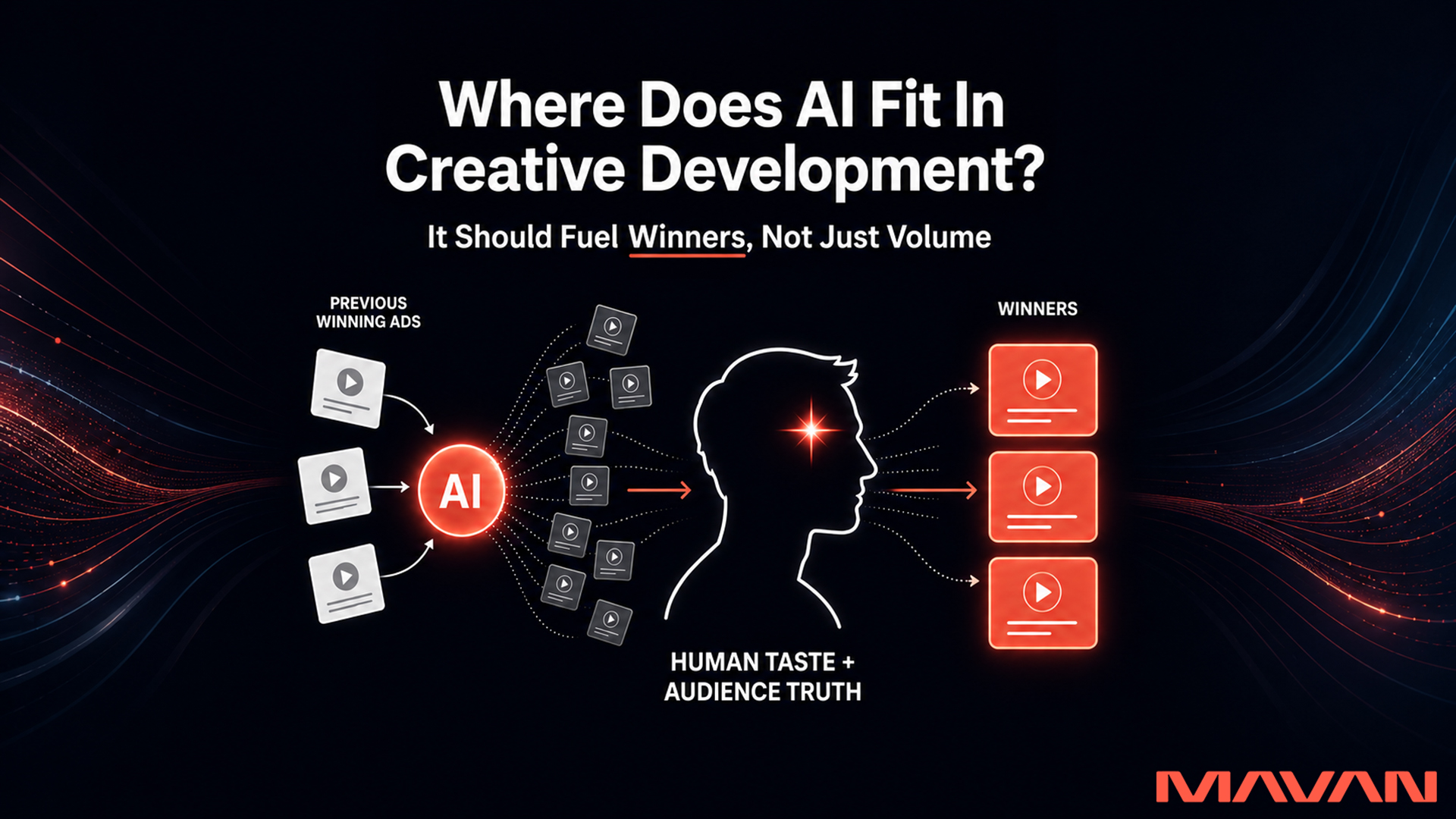
How Do You Use AI For Winning Ads In Creative Development?
AI’s biggest near-term payoff in growth is creative. Use it to generate more concepts and rebuild what already works — then rely on human taste, audience truth, and disciplined testing to decide which creative ships and scales.
-
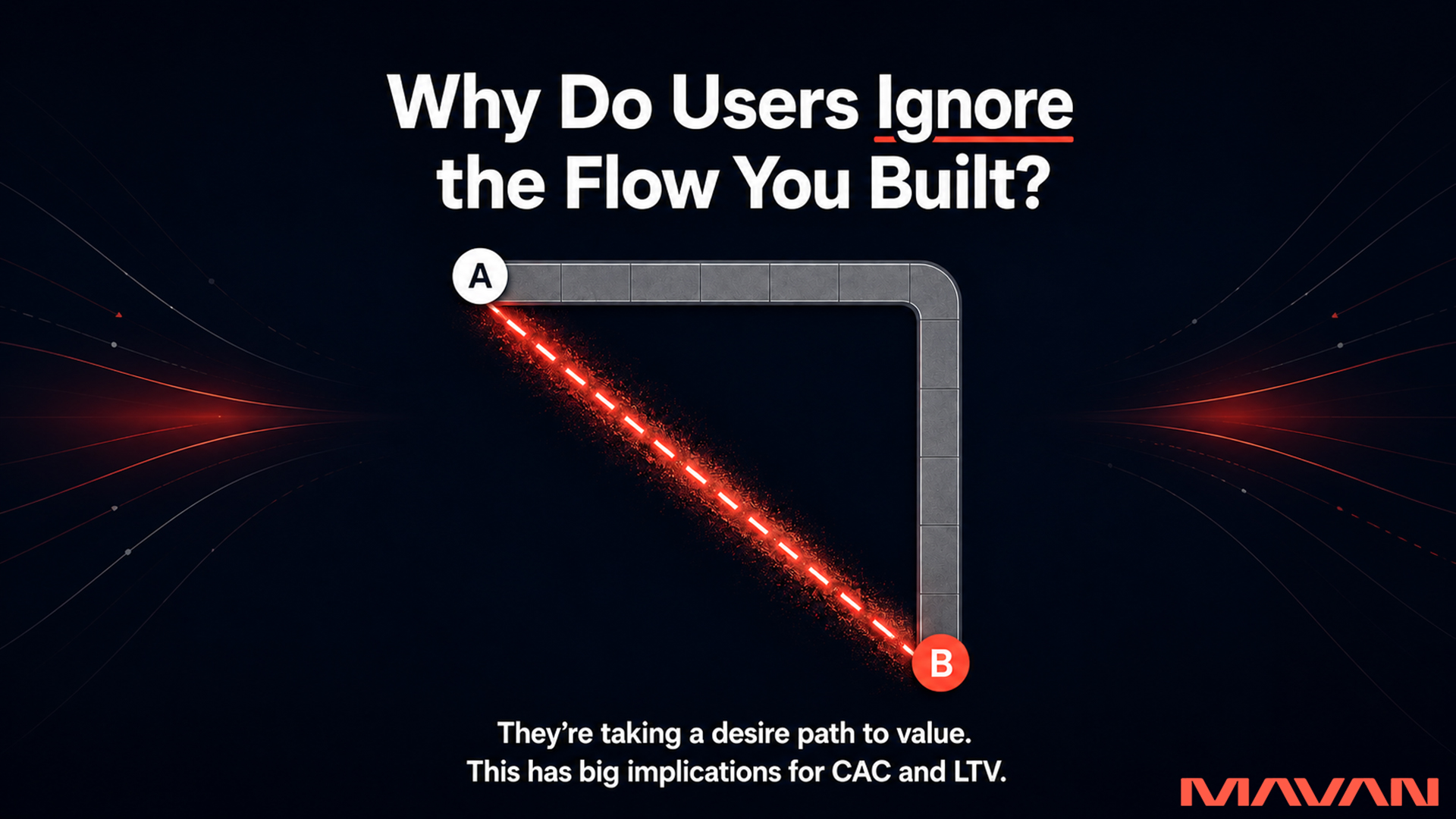
Why Do Users Ignore Your UX Flow? (Tip: Find Their Desire Paths)
Users ignore the flow you built because they’re taking a shorter or more intuitive path to what they’re looking for — what designers call a desire path. You find these paths by watching real behavior: funnel drop-off, session replays, and the workarounds that users invent. Then you rebuild the flow around what they already do.
-
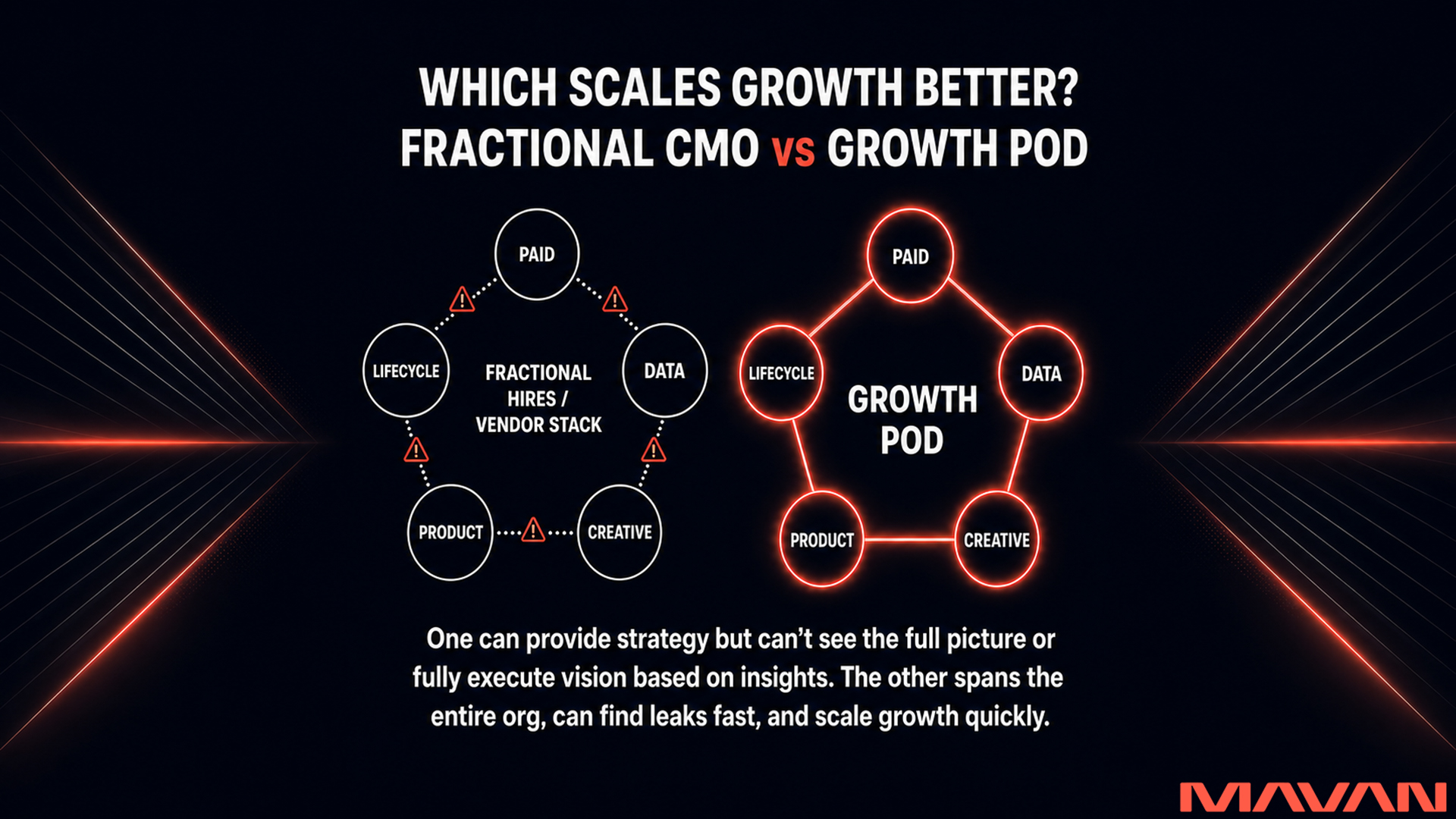
What Scales Series A Startups Best: Growth Pods or Fractional CMOs?
A fractional CMO gives a Series A startup senior marketing strategy on a part-time basis. A growth pod adds the cross-functional team that ships it. The right choice depends on whether your real bottleneck is direction or delivery.