
If anything, the pandemic accelerated the changes to the workplace that were already in motion. There was already a push for more flexibility in where and how people worked, spending a day or two working from home was becoming more commonplace, and establishing a clearer boundary between the workday and downtime was already picking up steam. On the latest episode of Growth@Scale, organizational strategist Katie Jackson spoke with Matt Widdoes about the changes we’ve seen in the workplace in the last few years.
Katie argues that as the dynamics of the workplace continue to evolve, it is in a company’s best interest to listen to their employees and take their experiences and concerns into account when making important decisions that could have positive or negative impact on headcount and workplace culture.
Employees Setting More Boundaries
The pandemic, as devastating as it was, acted as a mirror for many. Reflecting upon their lifestyles and professional commitments, employees emerged with heightened self-awareness. This has led to an increasing number of workers vocalizing their need for flexible schedules and the ability to work remotely. They’re setting clear boundaries that prioritize well-being and work-life balance.
Sometimes, it’s impossible to put the genie back in the bottle. As the workforce has grown accustomed to a new work-life balance, companies need to be empathetic to how their employees choose to spend their time, both on and off the job.
As we tiptoe back to physical workspaces, it’s imperative to redefine boundaries. This involves balancing intense work hours with much-needed social interactions, ensuring the office remains a space of productivity and camaraderie.
Navigating the Hybrid Work Labyrinth
Merging the best of in-office and remote work is not without challenges. While flexibility is essential, it’s equally important to ensure hybrid work models are equitable. This requires innovative strategies, ensuring all employees, regardless of their work location, feel included and valued.
Not every job can be done from home, and not every job needs to be bookended by a tedious commute to and from the office. However a company decides to settle into a new normal, balancing the concerns of employees and what arrangement is most productive is critical for preserving a company’s culture and limiting any potential for resentment. By approaching challenges with empathy and involving workers in ideating solutions, companies can cultivate a collaborative and inclusive environment.
Unlimited PTO – A Double-Edged Sword
While unlimited paid time off might sound like a dream, it demands organizational maturity. The emphasis should lean more towards preventing burnout and ensuring mental well-being rather than the logistics of PTO.
This might be a matter of sending periodic reminders to employees to book time off, setting limits on how many employees can be “out-of-office” at a given time, or collectively deciding to close down for a company-wide break, usually around a holiday. However the arrangement manifests, companies are better served when their employees know that not only can they take time off, the should.
The Four-Day Work Week
This idea is more than just a trend. It’s a testament to expanding horizons and being open to significant departures from the status quo. Every couple weeks, we see a new study that shows a four-day work week may even increase productivity. By experimenting with a reduced work week, companies can challenge traditional norms and discover that it’s possible for employee satisfaction, work-life balance, and increased productivity to peacefully coexist.
While we’ve all become accustomed to playfully letting a co-worker know they’re on mute, as we shift into this new future of work, it’s important for employees’ concerns not to fall on deaf ears. We’ve all had a taste of the freedom and flexibility that is possible without sacrificing productivity, so it’s critical to respect those established truths while driving organizational goals forward.
Book a complimentary consultation with one of our experts
to learn how MAVAN can help your business grow.
Want more growth insights?
Thank you! form is submitted
[hubspot type=”form” portal=”20951211″ id=”9c538ed2-fb12-45f1-a573-ad7953c058cc”]
Related Content
-

How Do You Avoid Hiring A Bad First Growth Hire?
Most first growth hires fail because the person is dropped into a company with no working system to sharpen, not because they lack talent. The fix is to build the system first — document what already drives growth, or embed a growth pod to turn scrappy channels into a coordinated system with a 90-day playbook…
-
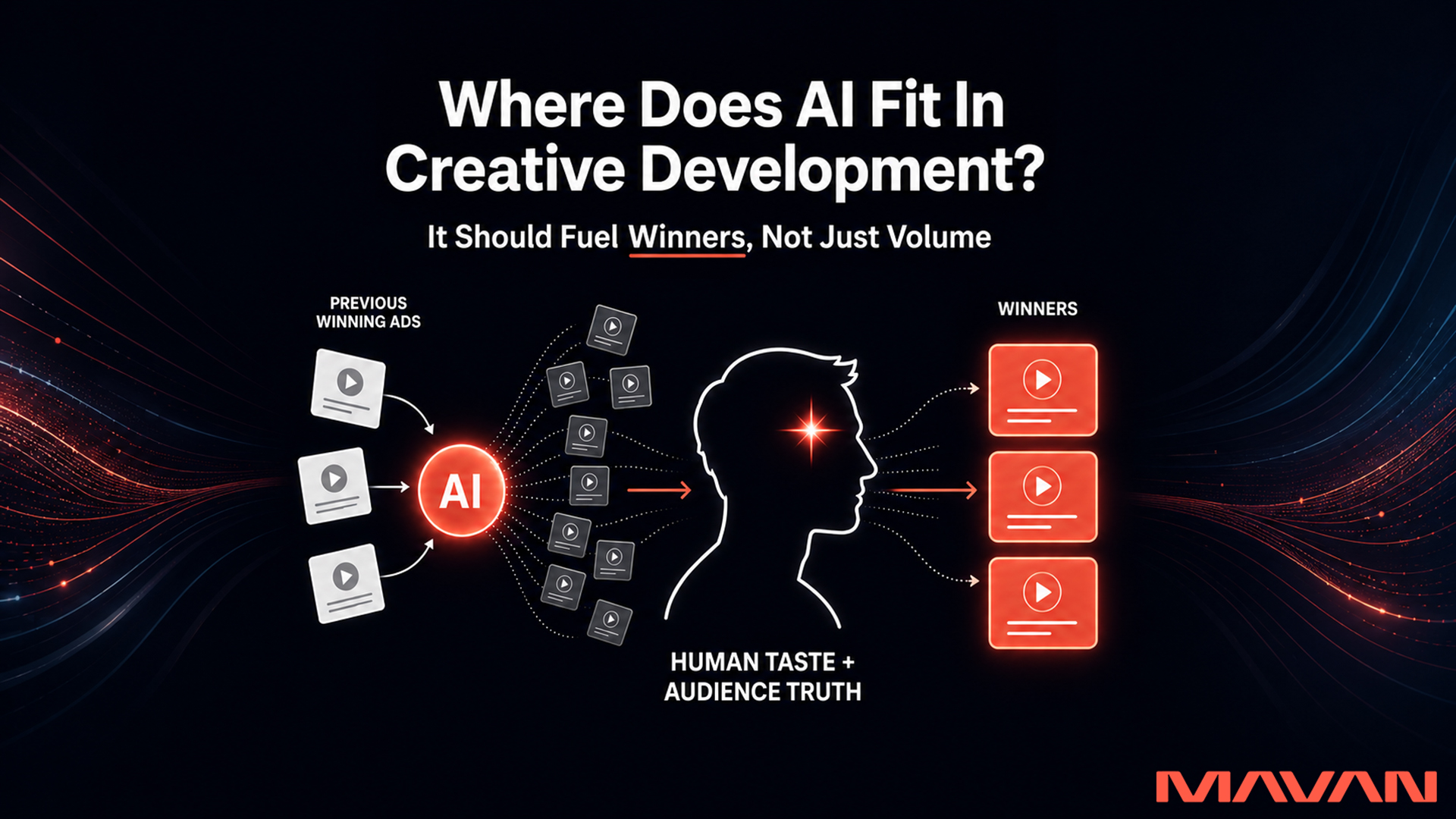
How Do You Use AI For Winning Ads In Creative Development?
AI’s biggest near-term payoff in growth is creative. Use it to generate more concepts and rebuild what already works — then rely on human taste, audience truth, and disciplined testing to decide which creative ships and scales.
-
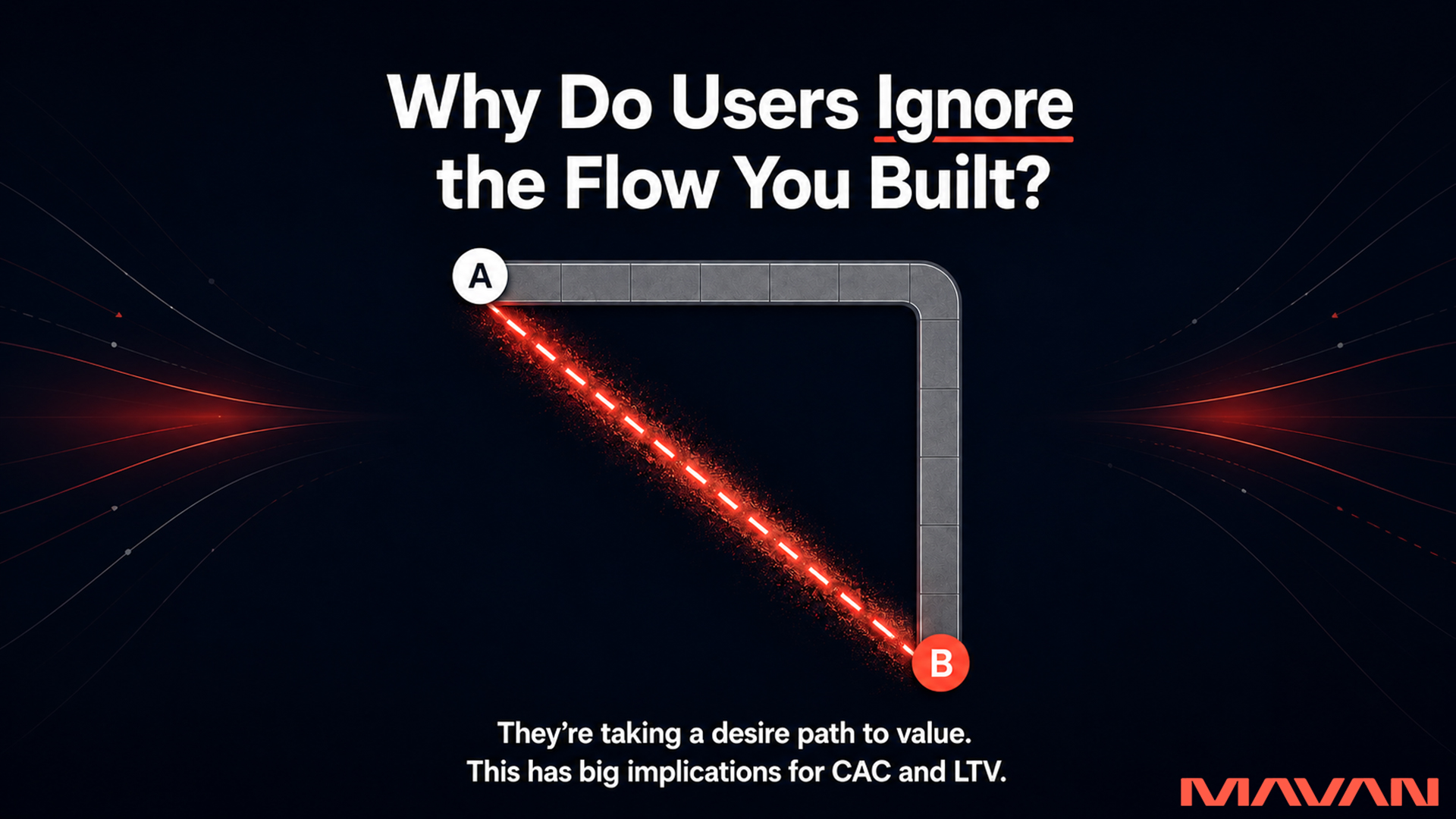
Why Do Users Ignore Your UX Flow? (Tip: Find Their Desire Paths)
Users ignore the flow you built because they’re taking a shorter or more intuitive path to what they’re looking for — what designers call a desire path. You find these paths by watching real behavior: funnel drop-off, session replays, and the workarounds that users invent. Then you rebuild the flow around what they already do.