
In the latest episode of Growth@Scale, Matt Widdoes welcomes Malachi Rose, VP of Growth at MAVAN. Malachi shares how his experience at companies like Zynga and Digit helped shape his approach to driving sustainable growth. Malachi also offers valuable advice and proven strategies for companies looking to scale.
Key Takeaways:
- Growth as a series of challenges to solve.
- The necessity of addressing product health before rushing into growth.
- The pitfalls of underestimating the time and effort required for growth.
- Learning from failure as an integral part of the growth process.
- The importance of sequencing growth challenges for maximum impact.
- Overcoming the hindrances caused by silos and lack of cross-functional collaboration.
- The crucial role of continuous customer feedback in driving growth.
- The effectiveness of MVPing everything alongside a solid measurement plan.
Tune in to gain valuable insights on how to scale your business effectively or read the transcript. And don’t forget to subscribe to Growth@Scale for more expert advice every week! 🌟📈🚀
Book a complimentary consultation with one of our experts
to learn how MAVAN can help your business grow.
Want more growth insights?
Thank you! form is submitted
[hubspot type=”form” portal=”20951211″ id=”9c538ed2-fb12-45f1-a573-ad7953c058cc”]
Related Content
-

Which Attribution Model Should B2B SaaS Use?
There is no single best attribution model for B2B SaaS. The right one is the simplest model that can still answer the budget decision you face. For most teams past a few channels and a multi-month sales cycle, that means a position-based multi-touch model tracked at the account level.
-

How Do You Solve SKAN Attribution For Multi-Channel Apps?
To solve SKAN attribution for multi-channel apps, fix your conversion-value and revenue configuration first, then triangulate SKAN with incrementality testing and one internal source of truth — so every channel gets measured against the same number.
-
Are Mobile Game Web Shops A Growth Lever In 2026?
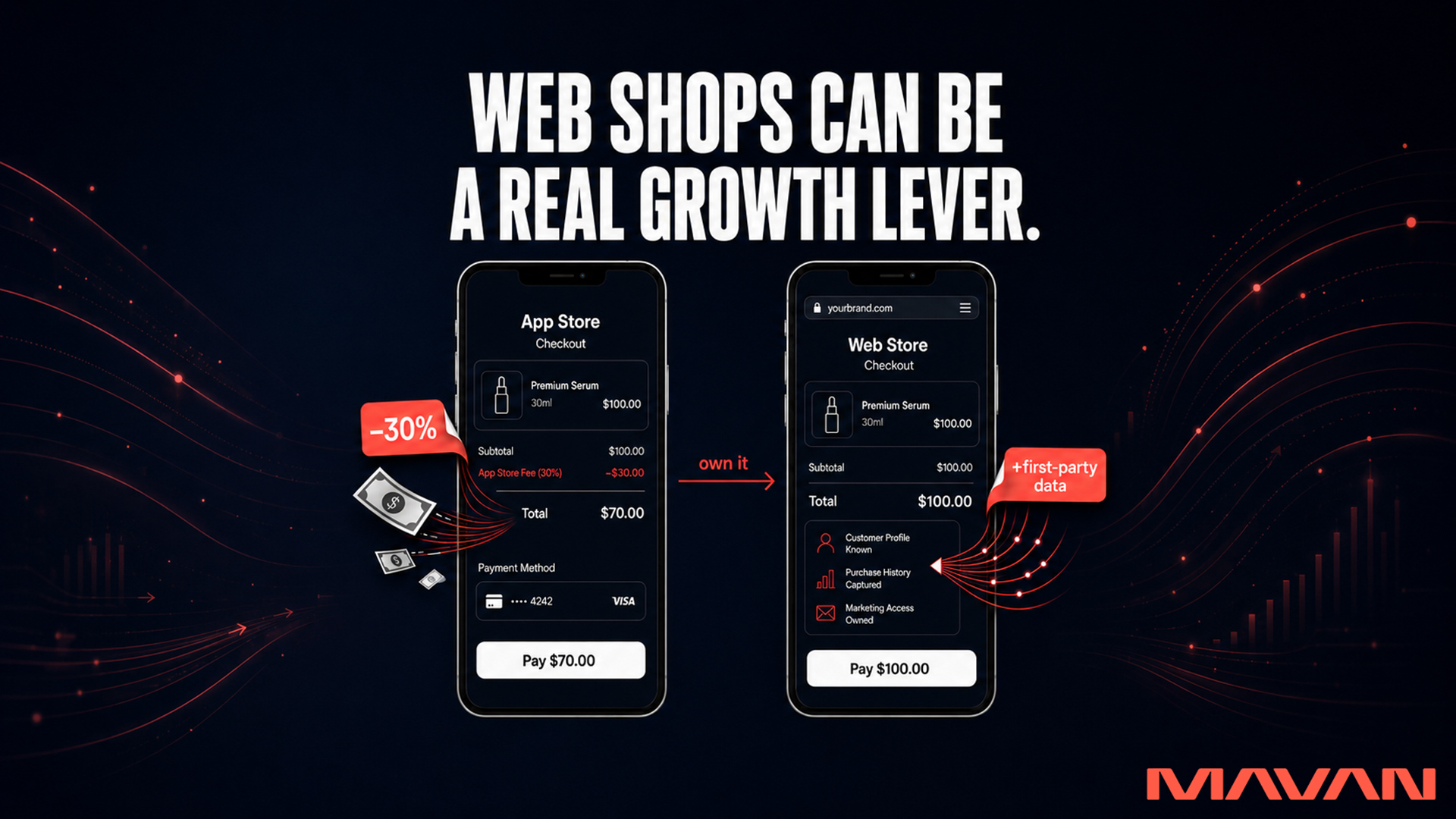
After Apple’s IDFA changes, mobile game studios grow by launching a web shop — a game-branded web store they own. It reclaims the 15 to 30 percent that app stores take on every purchase and rebuilds the first-party player data that makes user acquisition work again.