
Key Takeaways
- Leveraging The ‘Freemium Model’: The concept of ‘freemium’ allows a vast user base to access the core product for free, leveraging user engagement to drive monetization from those deriving the most value
- The value of iterative product development: For successful user engagement and retention during an app launch, founders should always rely on methodical, data-driven iterations rather than viral bursts
- Leveraging analytics in product growth: Analyzing cohort data and user behavior is important to fine-tuning both product features and marketing strategies to maximize retention and monetization
- Future mobile tech trends: Looking ahead to the future of mobile tech and what’s on the horizon for mobile tech marketing
Understanding the ‘Freemium Model’
In the mobile tech industry, the freemium model is one of the dominant strategies for user acquisition and engagement. For a freemium model to be successful, your product must have a broad and diverse catalog of purchasable items or upgrades. Maintaining a large addressable market is also important to sustain the freemium approach and ensure that monetization potential aligns with user engagement and drive sustained growth.
Iterative, Data-Driven Product Launches
Despite the appeal of a viral app launch, it is important to maintain a methodical, data-driven approach to app launches, so that your product can be incrementally improved upon based on user feedback. Launch your product to a controlled audience, then analyze their interactions, and iterate based on data to ensure that your product maximizes user retention.
Leveraging Analytics for Maximum Impact
Segmenting users based on engagement age allows you to tailor your product experience to meet the unique needs of both new and returning users. This segmentation ensures that onboarding processes are continually optimized for new users while enhancing the core user experience for long-term users.
Future Trends and Innovations in Mobile Tech
Looking ahead, there are significant shifts and trends coming in the mobile tech ecosystem. One notable trend is the movement towards monetization on the web, which bypasses app store commissions and leverages the web’s capabilities for experimentation and customization, allowing for more dynamic pricing, bundling, and personalization. Companies that build products with privacy-first principles and leverage robust, privacy-compliant data for personalization and optimization are likely to thrive in this new environment.
Book a complimentary consultation with one of our experts
to learn how MAVAN can help your business grow.
Want more growth insights?
Thank you! form is submitted
[hubspot type=”form” portal=”20951211″ id=”9c538ed2-fb12-45f1-a573-ad7953c058cc”]
Related Content
-
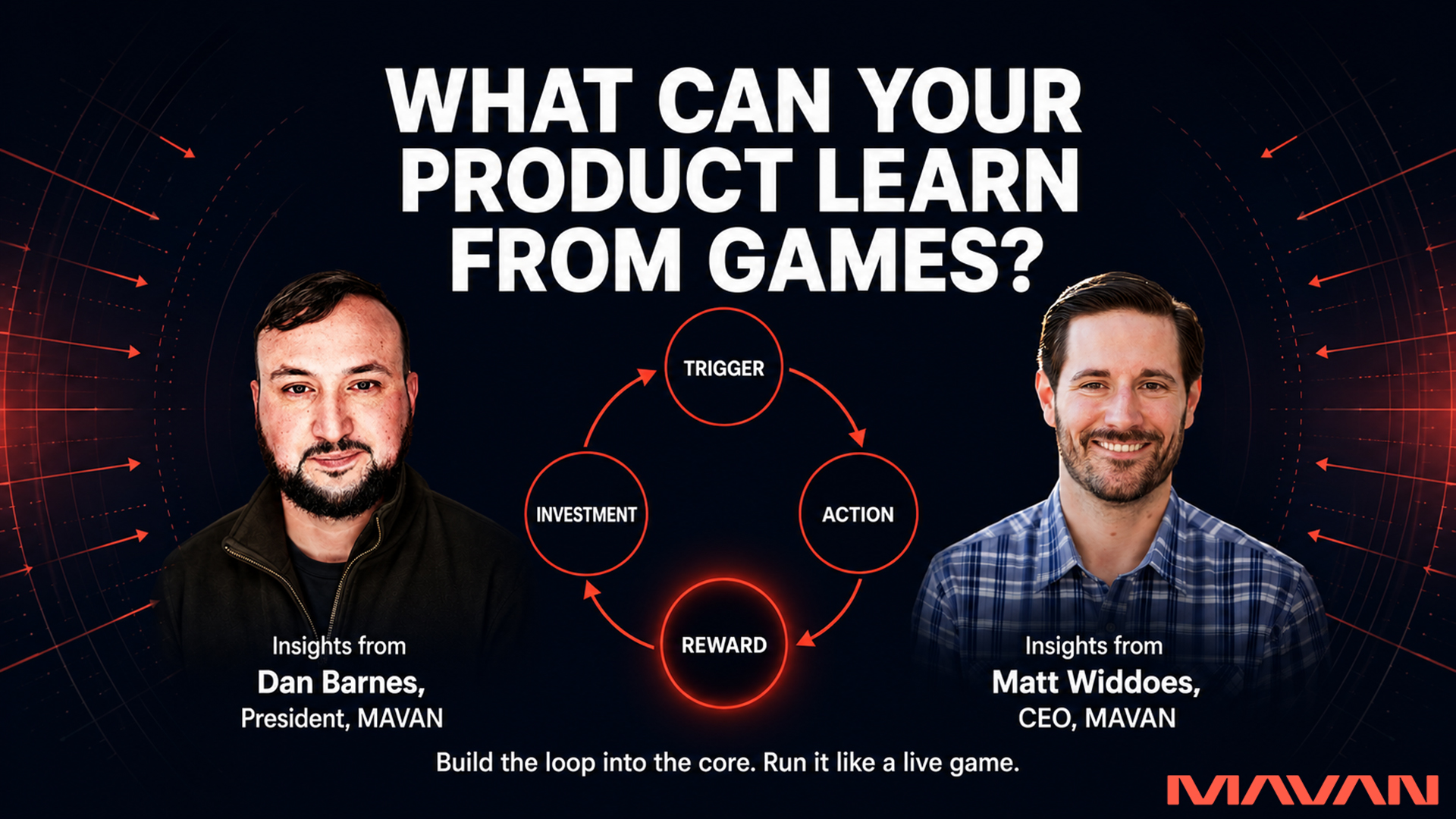
How Can SaaS and Consumer Products Improve Retention?
SaaS and consumer brands need to take a page out of gaming’s retention playbook. Games keep players for years by treating launch as the starting line, building an engagement loop into the product’s core, and continuously deploying content and rewards. Non-gaming products can apply the same live-operations approach to turn retention into their cheapest source of growth.
-
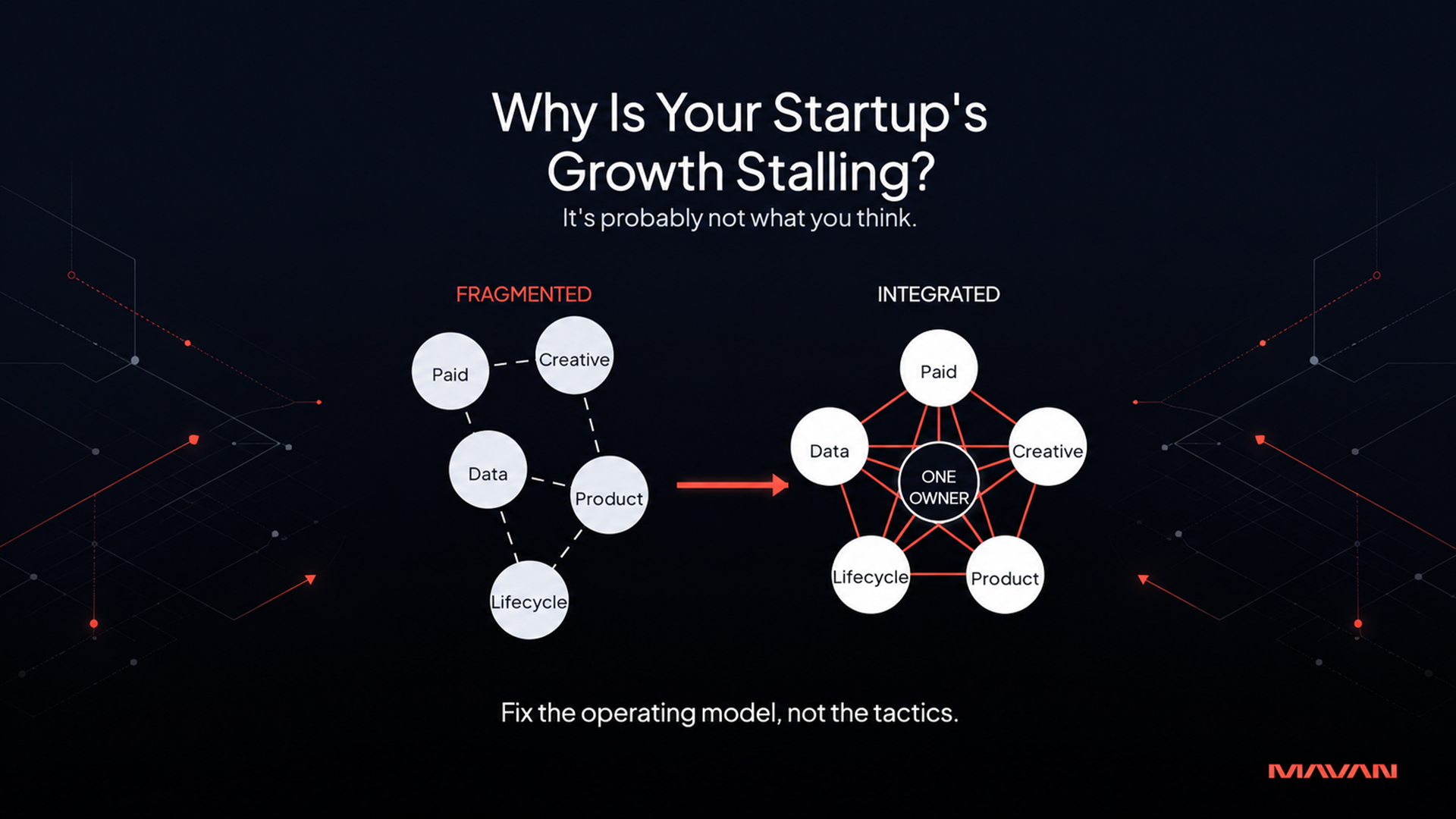
Why Is Your Startup’s Growth Stalling? Here’s The Fix.
Growth-stage startups don’t usually stall because the team isn’t working hard enough. They stall because hard work gets distributed across too many disconnected efforts, and nobody owns the system that ties them together. The fix isn’t more ad spend or more specialists — it’s integrating what you already have.
-
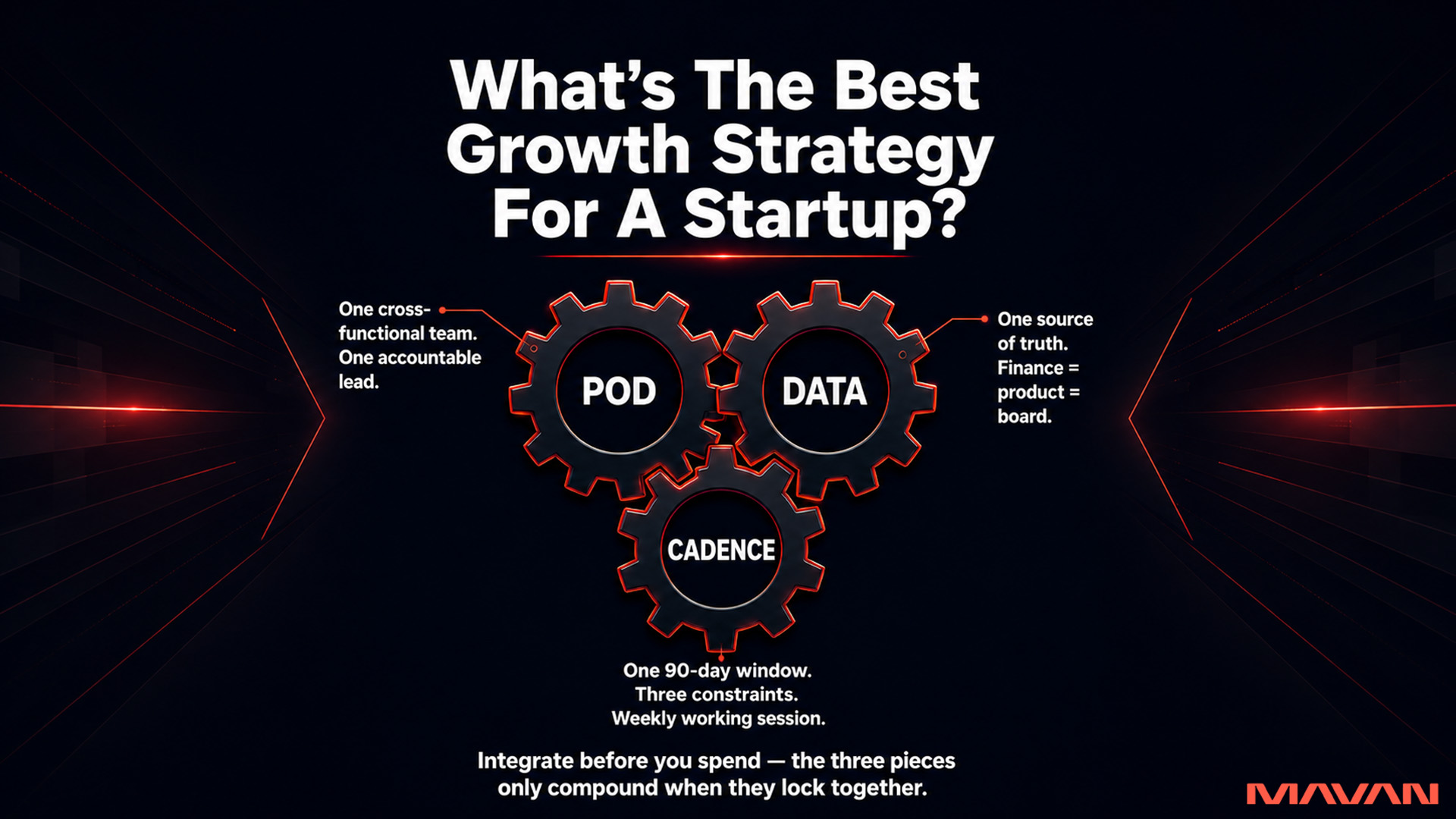
What’s The Best Growth Strategy For A Startup In 2026?
The best growth strategy for a venture-backed startup in 2026 is to integrate before you spend. Fragmented teams, tools, and data silently inflate CAC even when every individual channel looks healthy. Fix the operating model — one accountable pod, one source of truth, one 90-day cadence — and the wins start compounding instead of canceling each other out. Channels do not break unit economics. Lack of measurement discipline does.