
In a world constantly vying for the consumer’s attention, businesses face the challenge of not just reaching the customer but also adding meaningful value. LaToya Bowlah, an authority in digital transformation and lifecycle marketing, recently shared her insights on this subject. As a leader who has developed go-to-market strategies at Nasdaq and Bloomberg Digital, among others, Bowlah understands the intricacies of customer engagement and the balance required to drive growth. On the latest episode of Growth@Scale, she dissects this multifaceted approach, offering strategies that can pivot a company towards success.
Key Takeaways:
- Lifecycle marketing sits at the intersection of content, automation, and personalization, and mastering it can significantly reduce customer acquisition costs.
- Knowing your audience is paramount. Targeting must be refined to avoid the “speaking to everyone, speaking to no one” pitfall.
- Technology investment should align with growth stages, ensuring integration complements capability needs and that the team can fully utilize its potential.
Finding Harmony Between Conversion and Value
Marketing is not just about getting the word out; it’s about creating a resonant story that aligns with the consumer’s journey. As Bowlah explains, there’s an ongoing crisis where companies focus on driving conversions at the expense of providing true value—”so much garbage in, garbage out.” For her, achieving the balance between converting customers and adding utility is critical. This balance ensures the customer not only makes a purchase but also enjoys a fulfilling brand experience.
“There needs to be this balance between converting and providing utility, providing usefulness to your customers.”
This assertion is supported by the realization that customers may often be bombarded by promotions, causing them to lose sight of what they were initially looking for—whether it be an update on a recent purchase or relevant information about financial investment. To strike this balance effectively, marketers must understand where a customer is in their lifecycle and tailor communications to enhance the experience, not detract from it.
Audience-Centric Marketing: The Bedrock of Your Strategy
Bowlah emphasizes the significance of starting with the audience—understanding not just who they are, but where they are and what they need. By identifying the “watering holes” and honing in on the audiences’ preferred platforms, businesses can refine their channel strategy with precision. This is not about being in all places at once but rather about choosing the right channels that lead to meaningful engagement.
“Really start with the audience. There were many points in my career where it was proven that we needed both that digital paid arm, we needed that lifecycle owned marketing content engagement arm, and we also needed that traditional marketing mix arm.”
The lesson here extends beyond mere channel selection to understanding the essence of your customers’ needs. Identifying the different segments and customizing the approach accordingly can dissect a seemingly large audience into manageable, targeted groups that can be served more personally and effectively.
The Art of Investing in Technology and Growth at the Right Time
One of the most recurrent themes in the evolution of a successful marketing strategy is knowing when and how to invest in your tech stack. Bowlah warns against the allure of technology as a magic bullet for growth, noting that companies often rush to onboard new technologies without having the necessary structures or teams to maximize their potential.
“For the tech stacks you’re bringing on, making sure that you are investing in the teams and partners to take that tech stack to market… that’s also critical.”
This brings us to the concept of growth alignment—ensuring that the timing and depth of tech stack investments are coherent with the company’s stage and strategic goals. The key is to foster a marriage of capability and utility, where technology serves to propel forward an already coherent and audience-aligned marketing strategy.
As we engage with the implications of these insights, it is evident that the marketing landscape is one that demands agility, an in-depth understanding of the audience, and judicious tech stack investments. With these in mind, leaders can steer their companies through the tumultuous waters of growth and change, anchored firmly by a well-crafted lifecycle marketing strategy.
Bowlah and Widdoes’ discussion culminates in a call to action for marketing professionals to keep learning, stay audience-focused, and build a marketing practice that grows in tandem with the company’s needs. In navigating the dynamic world of marketing, it’s clear that while there may be many tools at our disposal, nothing replaces the fundamental need for strategic insight and a customer-centered approach.
Book a complimentary consultation with one of our experts
to learn how MAVAN can help your business grow.
Want more growth insights?
Thank you! form is submitted
[hubspot type=”form” portal=”20951211″ id=”9c538ed2-fb12-45f1-a573-ad7953c058cc”]
Related Content
-
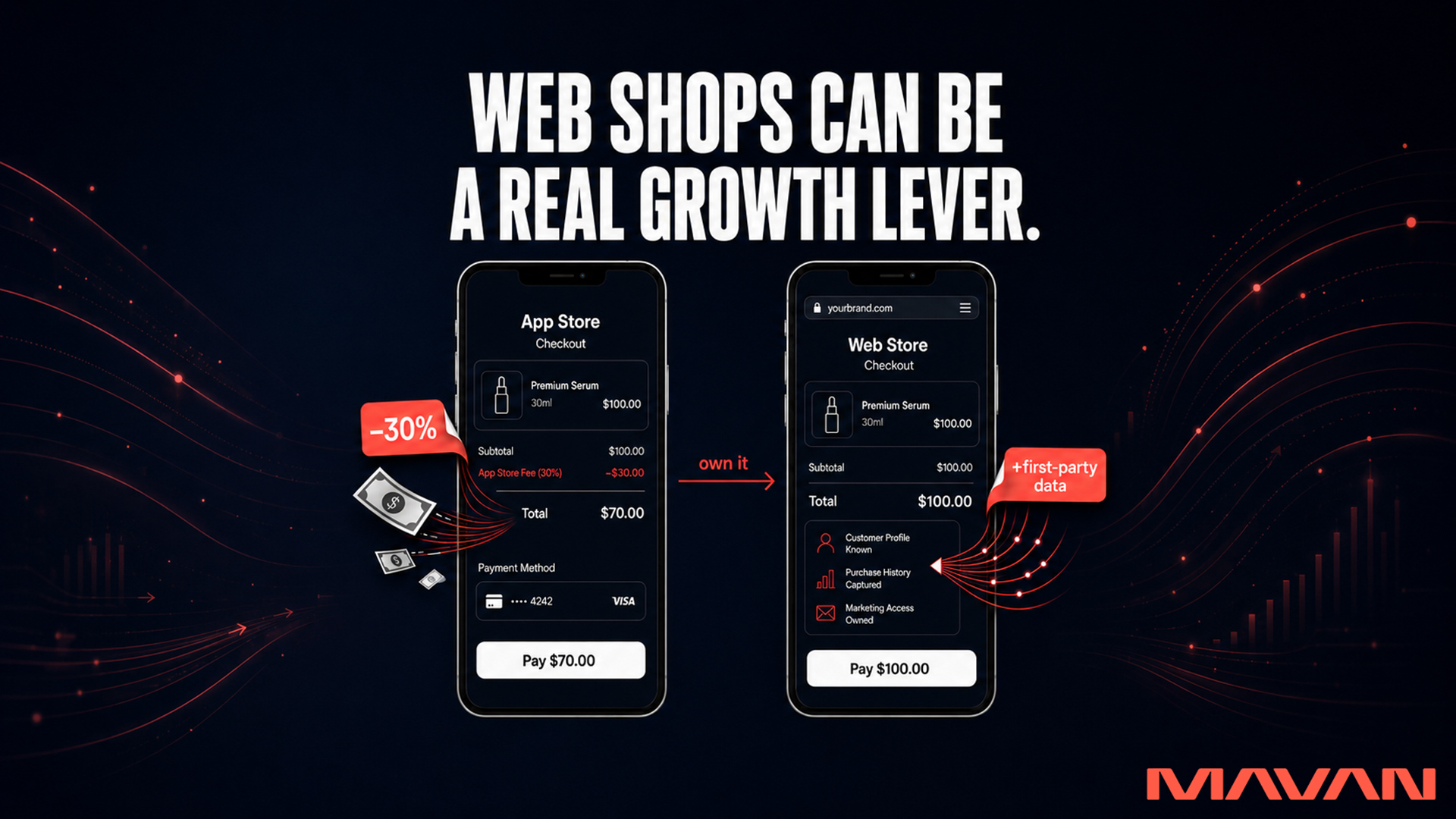
Are Mobile Game Web Shops A Growth Lever In 2026?
After Apple’s IDFA changes, mobile game studios grow by launching a web shop — a game-branded web store they own. It reclaims the 15 to 30 percent that app stores take on every purchase and rebuilds the first-party player data that makes user acquisition work again.
-

How Do You Avoid Hiring A Bad First Growth Hire?
Most first growth hires fail because the person is dropped into a company with no working system to sharpen, not because they lack talent. The fix is to build the system first — document what already drives growth, or embed a growth pod to turn scrappy channels into a coordinated system with a 90-day playbook — then make your senior hire, so they inherit a working machine instead of a blank page.
-

How Do You Use AI For Winning Ads In Creative Development?
AI’s biggest near-term payoff in growth is creative. Use it to generate more concepts and rebuild what already works — then rely on human taste, audience truth, and disciplined testing to decide which creative ships and scales.